Yes. My Safe Florida Home (MSFH) is active and funded going into the 2026–2027 cycle. The program reopened in August 2025 with $352 million for the 2025–2026 round, and Florida’s Memorial Day 2026 budget reappropriated more than $405 million to carry the program (and its Condo Pilot companion) forward. The catch: eligibility is currently limited to low- and moderate-income homeowners, with several rule changes that expanded who qualifies this year.
Here’s what’s actually true right now, since a lot of the content ranking for this question is outdated.
What the Program Actually Pays For
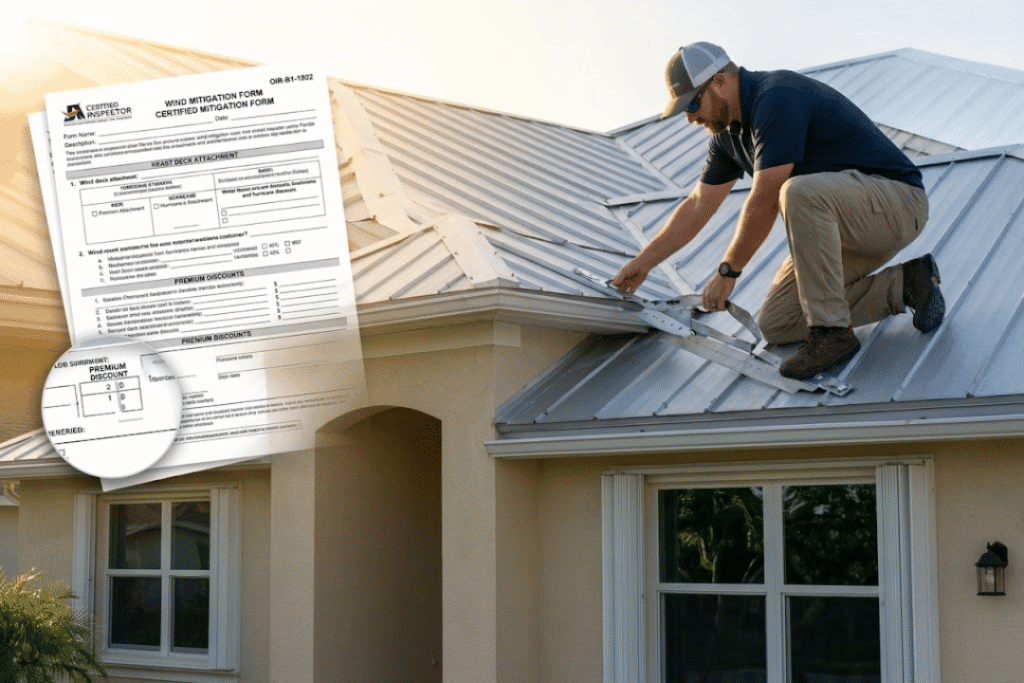
My Safe Florida Home is a Florida Department of Financial Services program with two parts:
- A free wind mitigation inspection a state-certified inspector evaluates your roof, openings, and structural connections and produces the OIR-B1-1802 form your insurance carrier uses to calculate premium discounts.
- A matching grant, up to $10,000, to help pay for the upgrades the inspection recommends most commonly opening protection (impact windows, impact doors, or approved shutters), roof-to-wall connections, and roof deck or secondary water resistance improvements.
Even homeowners who don’t end up doing any upgrades still benefit from the free inspection, since the resulting form can lower a premium on its own.
The 2026 Funding Timeline
- August 4, 2025: The program reopened for the 2025–2026 cycle with $352 million appropriated.
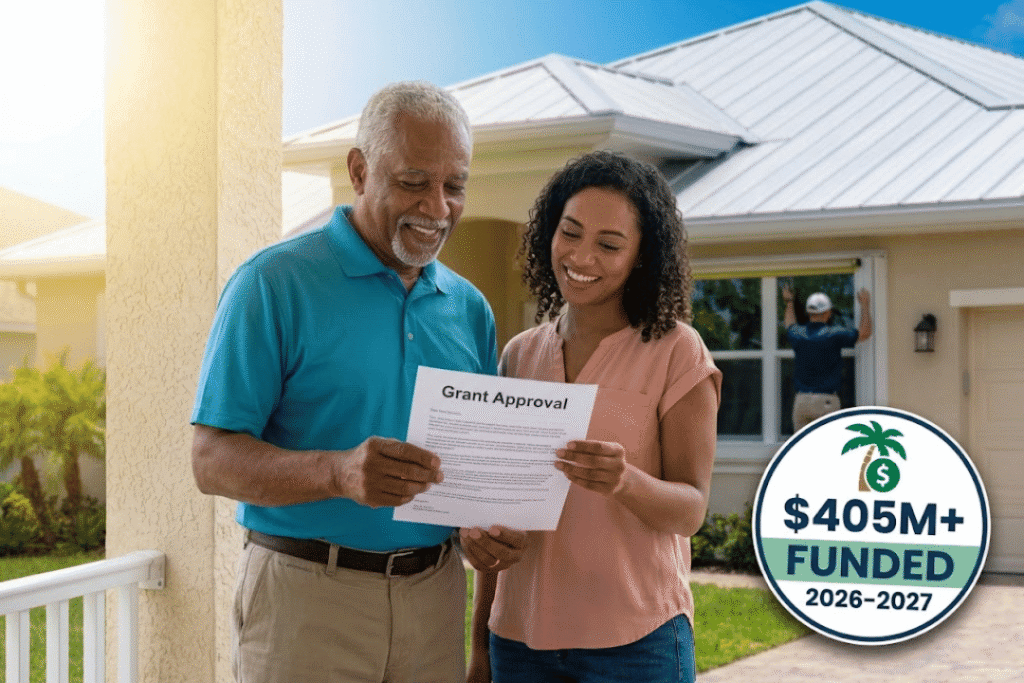
- May 29, 2026: Florida lawmakers passed a $115 billion state budget that reappropriates more than $405 million across MSFH and the My Safe Florida Condo Pilot Program combined, largely to clear a backlog of completed inspections still waiting on grant awards.
- June 2026: The budget was signed, carrying funding into the 2026–2027 fiscal year.
Because funding moves on a legislative cycle, “is it funded” is really a moving target — the honest answer is that it’s funded as of this writing, and the smart move is to confirm live status directly at mysafeflhome.com before you build a project timeline around it.
Who Qualifies Right Now
The 2025–2026 cycle rules are more targeted than in past years:
- Income-limited: The program currently serves low-income households (at or below 80% of county median income) and moderate-income households (80–120% of county median income) only.
- Age priority: Applicants 60 and older are prioritized within each income tier.
- Expanded geography: The prior requirement that a home sit within a state-designated wind-borne debris region was eliminated this cycle, meaning more homeowners statewide including further inland can now qualify.
- Higher value cap: The insured value cap was raised from $500,000 to $700,000.
- Townhomes now eligible: Townhouses can now qualify for inspections and opening-protection grants, a change from earlier program rules.
- Not eligible: Condominiums (outside the separate Condo Pilot), mobile/manufactured homes, multi-family properties, and rental properties.
How Much You Can Actually Get
| Income Tier | Grant Structure | Maximum Grant |
| Low-income (≤80% AMI) | No matching funds required | Up to $10,000 |
| Moderate-income (80–120% AMI) | State matches $2 for every $1 homeowner spends | Up to $10,000 |
“AMI” refers to your county’s Area Median Income, not a statewide figure, so the same household income can qualify in one county and not another.
How to Apply
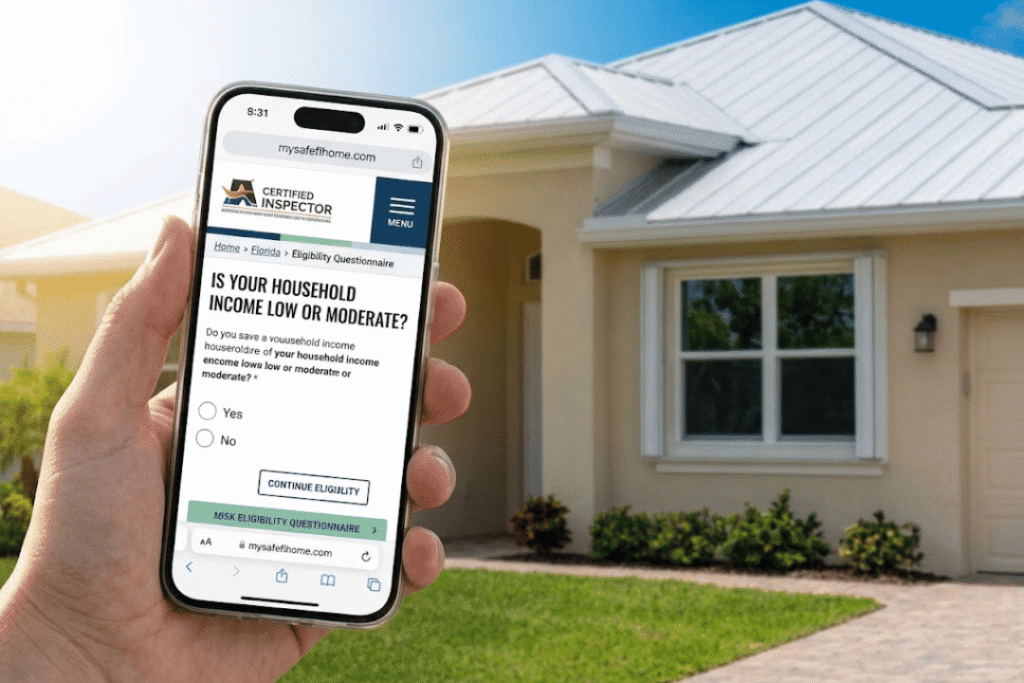
- Check current eligibility and cycle status at mysafeflhome.com this is the only official source, and it’s updated as funding draws down.
- Complete the age-and-income questionnaire quickly once you’re invited several program guides note homeowners have as little as 24 hours to respond after an inspection report posts, or they lose their spot for that cycle.
- Wait for your explicit approval email before signing any contract or paying a deposit work started before approval typically isn’t reimbursable.
- Choose a licensed contractor for the qualifying upgrade once approved.
- Submit for reimbursement according to the program’s documentation requirements.
Because the process can stretch from inspection to final reimbursement over many months, homeowners who want impact windows installed on a specific timeline (ahead of hurricane season, for example) often start their contractor conversations in parallel with the application not after approval.
Pairing MSFH With a Guardian Shield Project
If your home qualifies, Guardian Shield can supply and install impact windows and impact doors as part of a grant-funded project, working from your inspection’s recommended upgrades. Learn more about how the program fits into a Guardian Shield project on our My Safe Florida Home Program page.
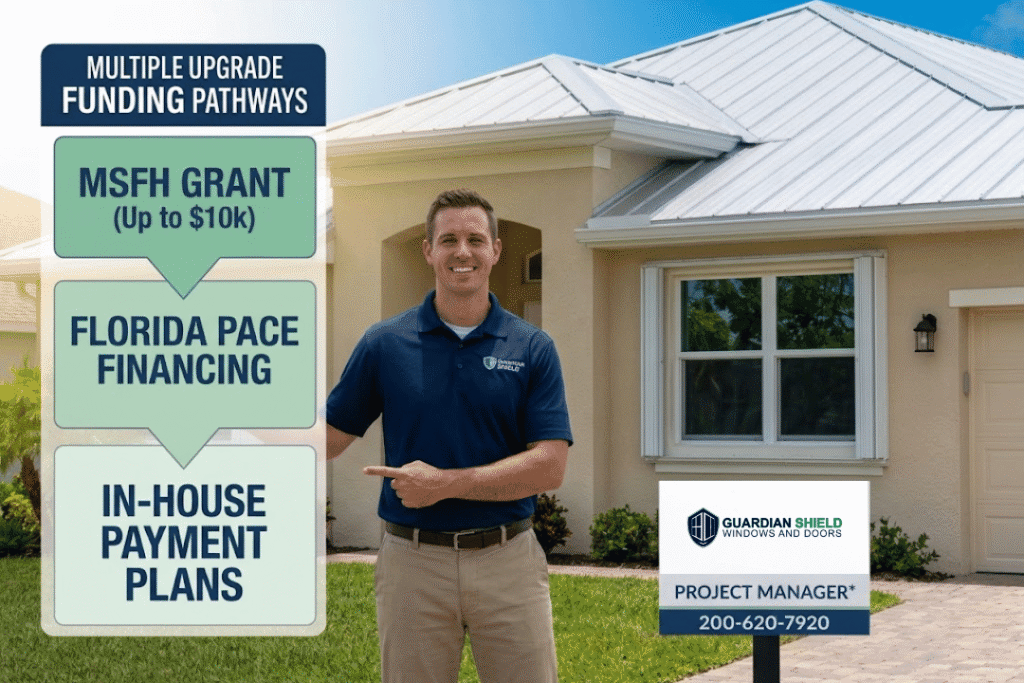
If your household doesn’t currently qualify for MSFH the income limits rule many homeowners out we also offer Florida PACE financing and in-house payment plans as alternative ways to fund the same upgrades.
FAQ
Is My Safe Florida Home still accepting new applications? As of this update, yes, though the program moves through income-tier priority groups and funding availability can change during the fiscal year. Confirm the live application status at mysafeflhome.com before assuming a spot is open.
Can I get the grant if my household income is above the moderate-income limit? Not for grant funding in the current cycle. Higher-income homeowners may still be eligible for a free inspection if funds remain after lower-income households are served, but they are not currently eligible for the grant itself.
Does the grant cover 100% of my impact window project? No. Low-income applicants can receive up to $10,000 with no match required; moderate-income applicants receive matching funds up to $10,000, meaning they still cover a portion of the cost themselves often supplemented with financing.
How long does the MSFH process take from application to installation? Multiple program guides describe an 8-to-18-month window from initial application to final reimbursement, so homeowners with a hard deadline (like an upcoming hurricane season) should plan accordingly.
Will my home automatically qualify because I live in a hurricane-prone area? Not anymore. The wind-borne debris region requirement was removed for the current cycle, but eligibility is now driven primarily by household income and home value, not geographic risk alone.
Explore Your Grant and Financing Options
Want help figuring out whether your project could qualify or what it costs without the grant? Talk to our team about your specific home, timeline, and financing options.