Designed to withstand Florida’s harsh weather conditions, including hurricane-force winds, intense UV exposure, and high humidity, impact windows are highly durable but like any structural component of a home, they are not built to last forever.
Over time, even hurricane-rated systems can show signs of wear, reduced performance, or structural fatigue. Recognizing early warning signs can help homeowners avoid larger problems, especially before storm season.
In this guide, Guardian Shield Windows & Doors explains five common signs that your impact windows may need replacement and what Florida homeowners should look for when evaluating long-term performance.
1. Visible Glass Cracks or Delamination
Impact windows use laminated glass designed to remain intact even when cracked. However, visible damage should never be ignored.
Signs of concern include:
- Spider-web cracking patterns
- Separation between glass layers
- Bubbling or cloudy areas within the glass
- Moisture trapped between panes
Laminated glass is built with bonded layers. If those layers begin separating (a process known as delamination), structural integrity may be compromised.
Even if the window has not fully failed, damaged laminated glass can weaken storm resistance and reduce clarity.
2. Difficulty Opening, Closing, or Locking
Impact windows must operate smoothly while maintaining tight compression seals. If windows become difficult to open, close, or lock, it may indicate structural movement or hardware deterioration.
Common symptoms include:
- Stiff window tracks
- Misaligned frames
- Locks that no longer engage securely
- Increased effort required to close panels
In Florida’s humid climate, frame expansion and contraction can occur over time. Hardware corrosion may also affect performance, especially in coastal areas.
If the window cannot close and seal properly, it may not perform as intended during a storm.
3. Water Intrusion or Seal Failure
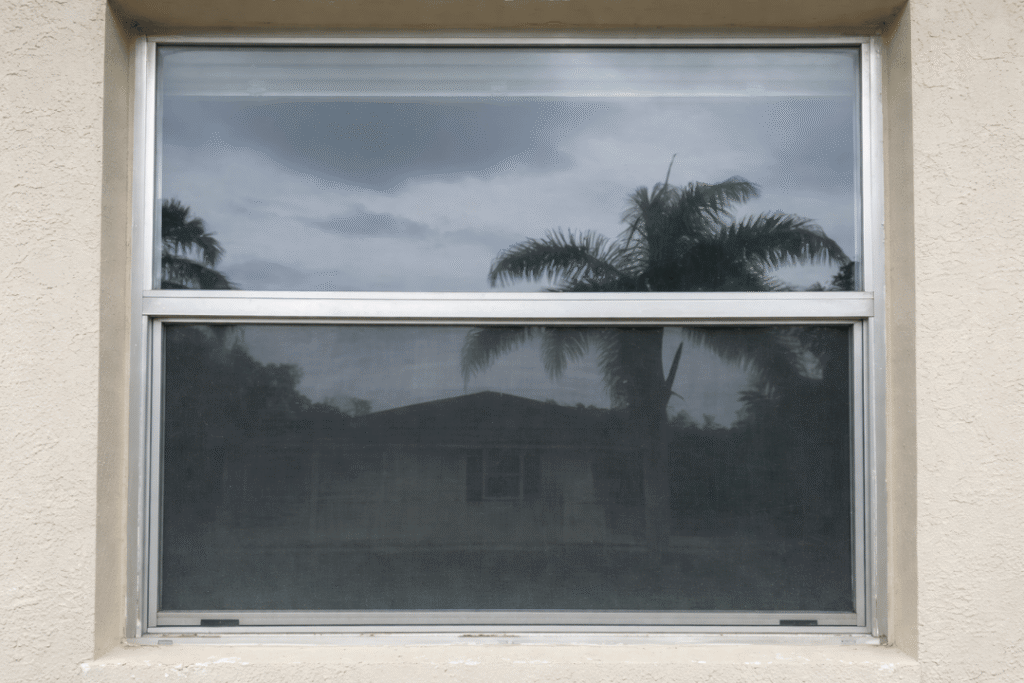
Impact windows are designed to resist wind-driven rain. If you notice water intrusion during heavy storms, this could signal seal deterioration or improper anchoring.
Warning signs include:
- Water stains around the frame
- Soft drywall near window openings
- Mold growth near sills
- Air drafts during storms
Seal failure not only affects storm protection but can also impact energy efficiency and indoor comfort.
Over time, degraded seals allow moisture infiltration that may damage surrounding structural materials.
4. Noticeable Increase in Outside Noise
One benefit of laminated impact windows is sound reduction. If you notice a sudden increase in outside noise, the interlayer or seal may be compromised.
Possible causes include:
- Laminated glass deterioration
- Frame gaps forming over time
- Compression seal wear
Florida homes near busy roads, coastal wind zones, or growing neighborhoods often rely on impact windows for acoustic comfort. A noticeable change in noise levels may signal reduced performance.
5. Age and Outdated Code Standards
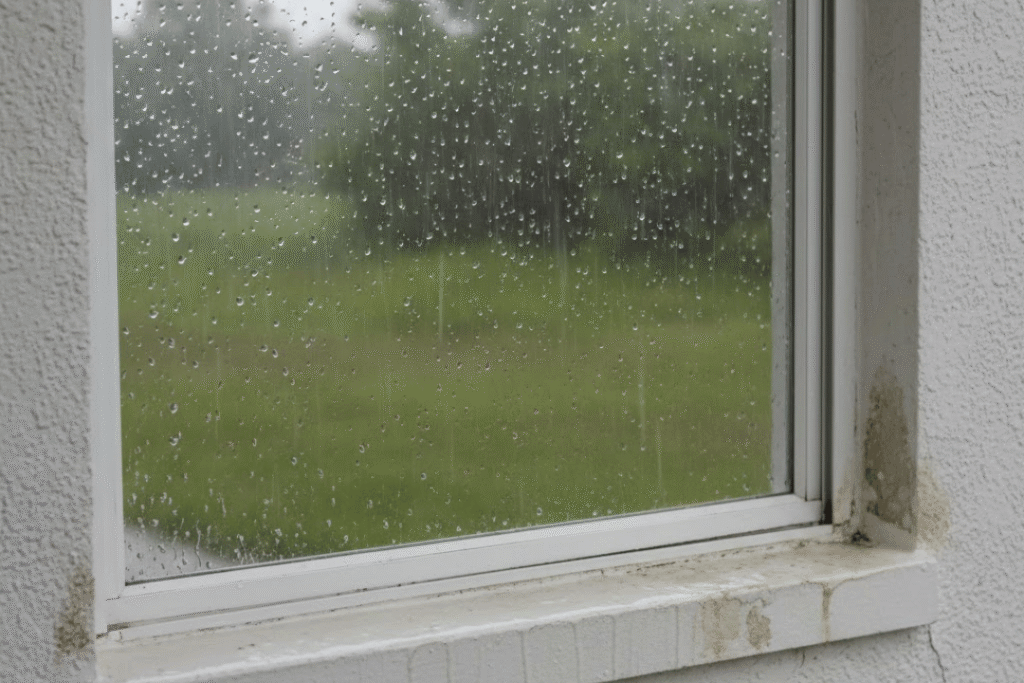
Impact window technology continues to evolve. Older systems may not meet current Florida Building Code standards, especially if installed many years ago.
Consider the following:
- Windows installed before updated code revisions
- Older products lacking modern pressure ratings
- Outdated glass technology
- Reduced energy efficiency compared to newer Low-E systems
Even if older impact windows appear intact, they may not provide the same performance levels as modern certified systems.
In Florida’s evolving insurance environment, documentation and updated approvals may also affect eligibility for wind mitigation credits.
How Long Do Impact Windows Typically Last?
High-quality impact windows can last 20 to 30 years, depending on:
- Installation quality
- Coastal exposure
- Maintenance habits
- Storm frequency
Homes located in high-salt environments may experience accelerated wear due to corrosion and environmental stress.
Regular inspections help identify issues early before replacement becomes urgent.
Repair vs Replacement: When Is It Necessary?
Not every issue requires full replacement. Minor hardware issues or seal repairs may be addressed without replacing the entire unit.
However, replacement is typically recommended when:
- Laminated glass is compromised
- Structural anchoring has failed
- Frame corrosion is severe
- Delamination affects visibility and strength
- Windows no longer meet current code standards
A professional evaluation helps determine whether repair is sufficient or full replacement is necessary.
Why Timely Replacement Matters in Florida
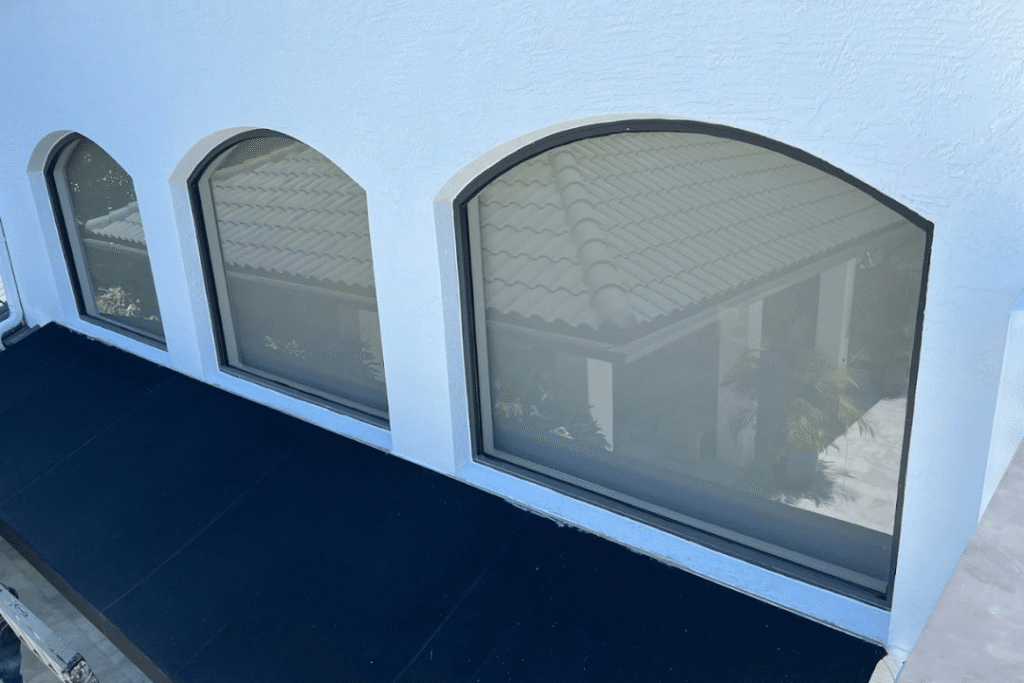
Florida’s hurricane season leaves little room for uncertainty. Windows that appear stable during calm weather may not perform under extreme wind pressure.
Replacing compromised windows before storm season can help:
- Maintain structural integrity
- Preserve insurance eligibility
- Reduce storm damage risk
- Improve energy efficiency
- Enhance indoor comfort
Proactive upgrades reduce emergency replacements after storm events.
Guardian Shield Windows & Doors — Evaluating Impact Window Performance
At Guardian Shield Windows & Doors, we help Florida homeowners assess the condition of their impact window systems and determine whether replacement is necessary.
We focus on:
- Code-compliant evaluations
- Structural integrity assessments
- Seal and frame performance
- Documentation review for insurance purposes
Our goal is to ensure your home remains protected under Florida’s demanding environmental conditions.
Be Storm-Ready Before It Matters Most
Impact windows are designed for durability, but no system lasts forever. If you notice cracking, seal failure, operational issues, or aging components, it may be time to evaluate your options.
If you’re unsure whether your impact windows are still performing at the level required for Florida storms, schedule your free consultation today. Guardian Shield Windows & Doors provides expert evaluations to determine whether your current system still meets modern Florida building standards.
Contact us today to assess your windows and explore replacement options designed for long-term protection and performance.