
If you’re planning to install residential glass railings across Florida, understanding the Florida glass railing code is not optional. It directly affects safety, inspections, and long-term liability. We’ve worked with homeowners across Florida for over 15 years as a family-owned general contractor, and one thing is consistent: most issues don’t come from design; they come from misunderstanding the residential railing building code.
Glass railings are not just aesthetic upgrades. They are safety systems. If they are not built and installed correctly, they fail inspections or worse, they fail when it matters most.
What Florida Requires for Glass Railing Systems
Florida follows strict building codes to ensure fall protection and structural integrity. While exact requirements can vary slightly by municipality, the core standards remain consistent across the state and align with the florida glass railing code.
Minimum Height Requirements
Most residential glass railings must follow standard glass railing height requirements:
- 36 inches high for decks, balconies, and raised surfaces
- 42 inches in certain elevated or multi-level applications
Height is not just a measurement. It is a safety threshold designed to prevent falls and meet residential railing building code standards.
Load and Impact Resistance
Glass railing systems must handle:
- Horizontal loads applied at the top rail
- Wind pressure, especially in coastal regions
- Impact resistance for safety compliance
This is where many installations fail. The glass alone is not enough. The entire system must meet florida glass railing code load requirements.
Approved Glass Types

Florida code requires the use of:
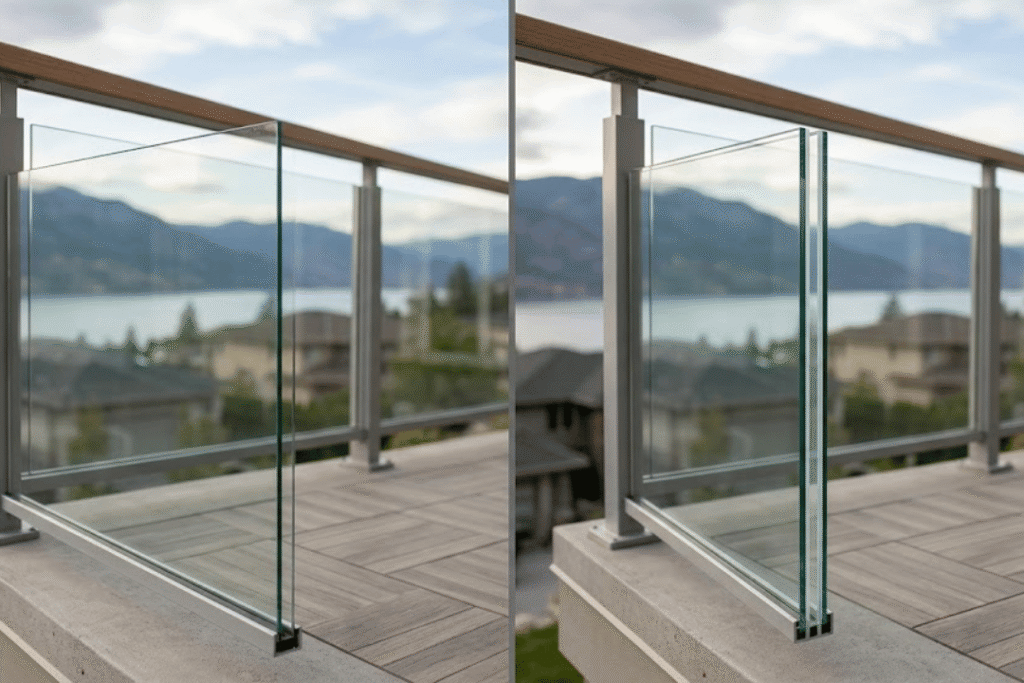
- Tempered glass
- Laminated glass
A properly installed laminated glass railing provides added protection because it holds together when broken. A tempered glass railing is also widely used due to its strength and safety performance.
Spacing and Safety Gaps
Railings must prevent a 4-inch sphere from passing through any opening.
This applies to:
- Panel spacing
- Gaps between the railing and the floor
- Any openings within the system
Failing this requirement is one of the most common violations of the residential railing building code.
Permits and Inspections
Most installations require:
- Permits before installation
- Inspections after installation
Local authorities enforce the florida glass railing code strictly. Skipping this step can lead to costly corrections.
Where Homeowners Run Into Issues
We see the same problems repeatedly when projects do not follow proper glass railing height requirements and structural guidelines.
Incorrect Glass Selection
Not all glass qualifies. Using the wrong material, instead of a laminated glass railing or tempered glass railing, will fail compliance.
Weak Mounting Systems
Even when the glass is correct, poor anchoring will not meet residential railing building code load standards.
Ignoring Permits
Some assume railings are minor upgrades. In reality, they must meet the florida glass railing code and pass inspection.
Poor Installation Practices
Improper spacing, alignment, or hardware selection often leads to failure in meeting glass railing height requirements and safety rules.
How Proper Systems Meet Florida Code
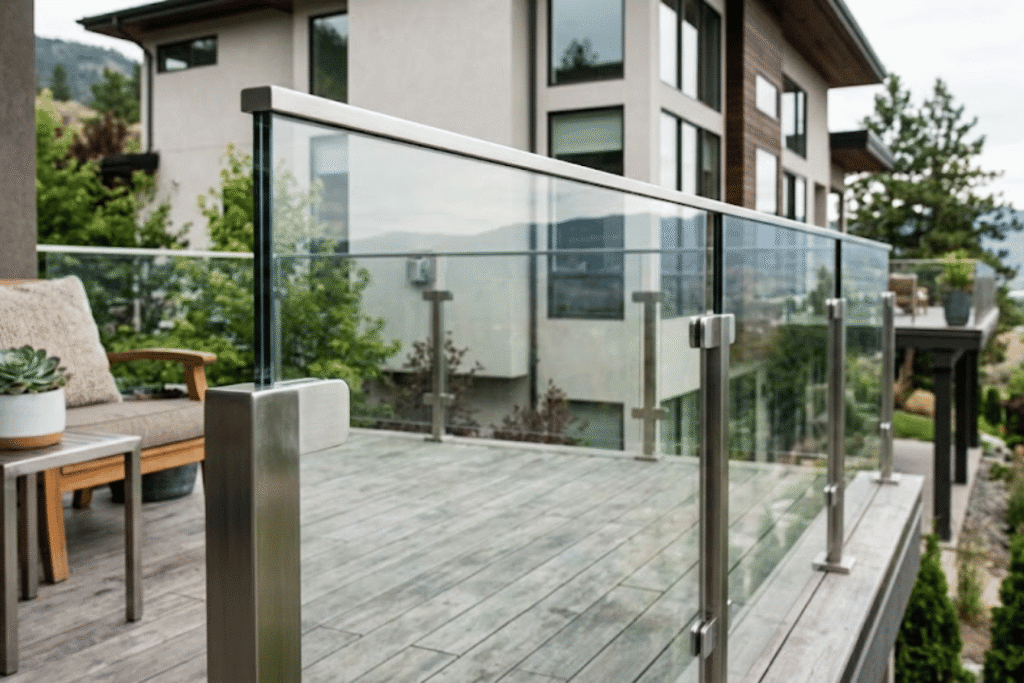
Meeting code requires a complete system approach, not guesswork.
Material Selection
We select systems that comply with the florida glass railing code, ensuring the correct use of laminated glass railing systems or tempered glass railing panels based on the application.
Structural Integration
Every system must be engineered to meet residential railing building code requirements, whether mounted on concrete, wood, or steel.
System Design
Proper design ensures compliance with:
- Glass railing height requirements
- Panel spacing rules
- Load distribution standards
A well-designed system eliminates common failures tied to glass railing height requirements.
Inspection Readiness
A properly installed system will meet:
- Florida inspection standards
- Local permitting requirements
- Full residential railing building code compliance
How We Handle Residential Glass Railings at Guardian Shield
At Guardian Shield Windows and Doors, we approach every project as a complete system built to meet the florida glass railing code from start to finish.
Consultation
We assess your layout and ensure all glass railing height requirements and safety considerations are addressed early.
Custom Design
Each laminated glass railing or tempered glass railing system is designed to match your space while staying compliant with the residential railing building code.
Precision Installation
Our team installs every system to meet florida glass railing code standards, ensuring durability, alignment, and structural integrity.
Follow-Up and Support
We ensure your system continues to meet residential railing building code expectations long after installation.
Why This Matters for Your Home
When installed correctly, residential glass railings provide:
- Safety through proper glass railing height requirements
- Durability with laminated glass railing systems
- Strength and performance with tempered glass railing materials
- Long-term value through full residential railing building code compliance
Get It Done Right from the Start
Installing residential glass railings in Florida means meeting strict safety and structural standards set by the Florida Glass Railing Code.
At Guardian Shield Windows and Doors, we bring over 15 years of experience helping homeowners design and install compliant systems that pass inspections and perform well over the long term.
If you’re planning a project, the smartest move is making sure it’s built right from day one.