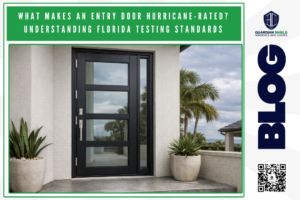


In Florida, not every exterior door is built to withstand hurricane conditions. While many doors look strong, only those that meet strict engineering and testing standards qualify as truly “hurricane-rated.”
For homeowners, understanding what makes an entry door hurricane-rated is essential. It’s not just about thicker glass or heavier materials; it’s about passing rigorous impact tests, wind pressure certifications, and state-specific building codes designed for extreme weather.
In this guide, Guardian Shield Windows & Doors explains the science and standards behind hurricane-rated entry doors and why proper certification matters for your home’s safety.
The Core Purpose of a Hurricane-Rated Entry Door
A hurricane-rated entry door is designed to maintain the home’s structural envelope during severe storms. The structural envelope is the protective barrier that keeps wind, debris, and water from entering the home.
When a standard door fails during a hurricane, it can cause:
- rapid internal pressurization
- roof uplift
- structural wall failure
- extensive water damage
A hurricane-rated door prevents these failures by remaining intact under impact and sustained wind pressure.
The Large Missile Impact Test (ASTM E1886 & E1996)
One of the most important standards a hurricane-rated door must pass is the Large Missile Impact Test, governed by ASTM E1886 and ASTM E1996.
During this test:
- A 9-pound 2×4 lumber projectile is fired at the door
- The projectile travels at speeds up to 50 feet per second
- The impact simulates windborne debris during a hurricane
To pass, the door must:
- resist penetration
- remain anchored to its frame
- prevent opening failure\
If the glass cracks but stays bonded (due to laminated interlayers), the door can still pass — as long as it prevents debris from entering.
This test ensures that the door can survive real-world storm debris impacts.
Pressure Cycling Test Simulating Hurricane Wind Forces
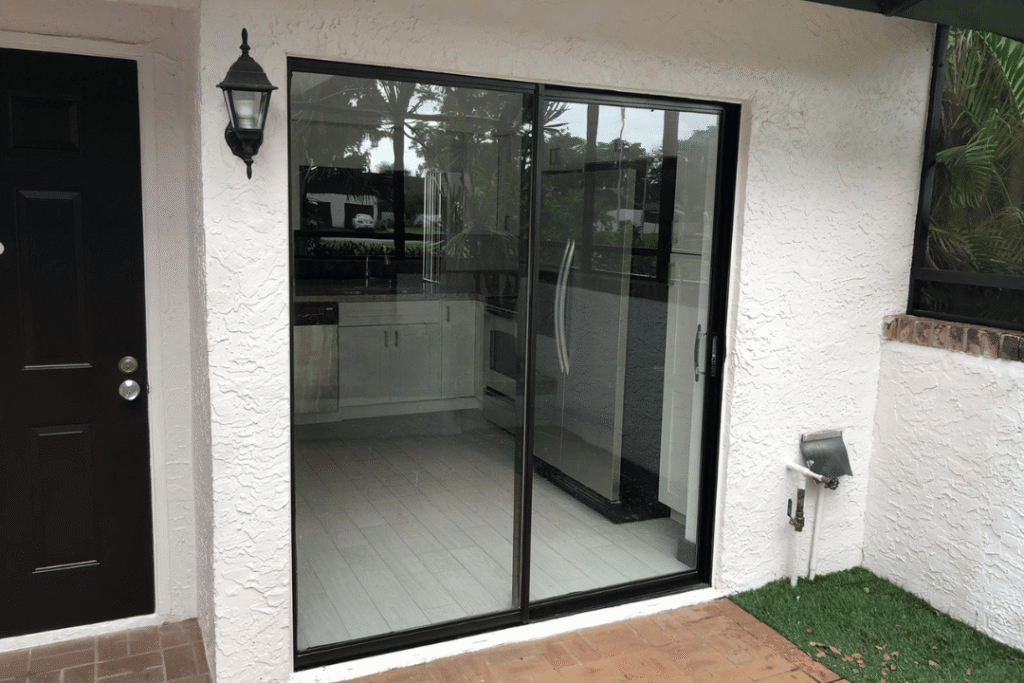
Impact resistance alone isn’t enough. After surviving a projectile strike, hurricane-rated doors must undergo a pressure cycling test.
This test subjects the door to:
- thousands of positive and negative pressure cycles
- wind forces pushing and pulling on the door
- simulated gust conditions
The door must withstand repeated stress without:
- detaching from the frame
- warping
- allowing air or water infiltration
- losing structural integrity
Pressure cycling is critical because hurricanes involve sustained wind loads, not just a single impact.
Understanding Design Pressure (DP) Ratings
Every hurricane-rated entry door receives a Design Pressure (DP) rating. This rating measures how much wind pressure the door can handle.
DP ratings consider:
- positive pressure (wind pushing inward)
- negative pressure (wind pulling outward)
- structural deflection limits
The higher the DP rating, the stronger the door.
In Florida, especially coastal regions, homes often require higher DP ratings due to increased wind speeds.
DP ratings are determined through laboratory testing and are required for compliance with the Florida Building Code (FBC).
Miami-Dade Notice of Acceptance (NOA)
For homes located in High-Velocity Hurricane Zones (HVHZ) — including Miami-Dade and Broward counties additional certification is required.
Doors installed in these zones must receive a Miami-Dade Notice of Acceptance (NOA).
Miami-Dade testing standards are among the strictest in the country and include:
- enhanced impact testing
- water infiltration resistance
- corrosion resistance for coastal environments
A door with Miami-Dade NOA certification provides verified protection in Florida’s most hurricane-prone areas.
Laminated Glass Technology in Hurricane Entry Doors
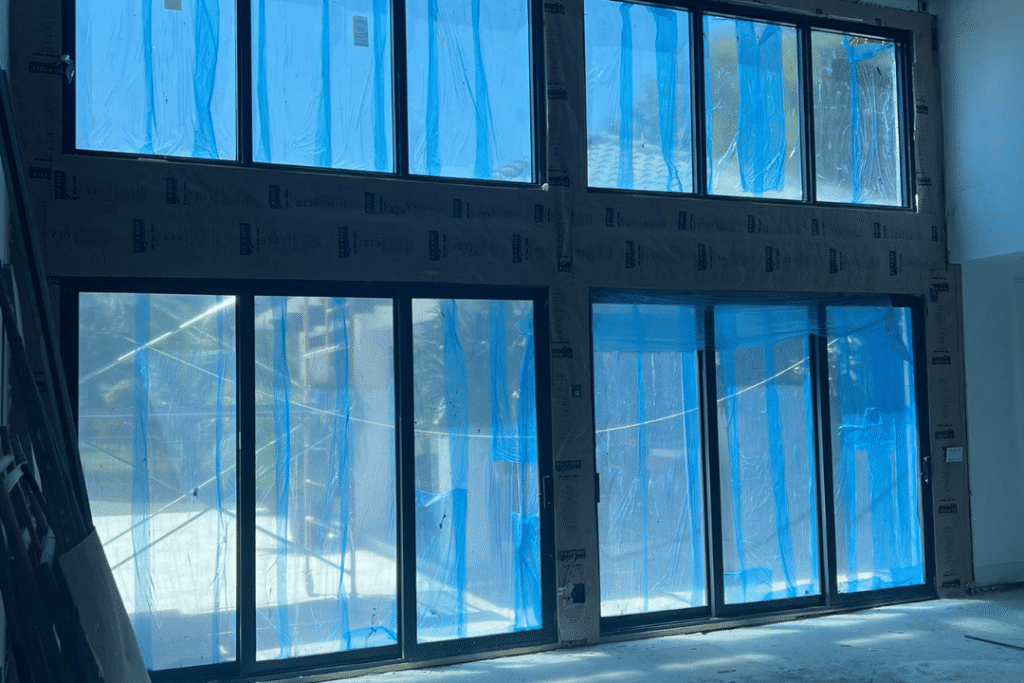
Many hurricane-rated entry doors include laminated impact glass, which consists of:
- two layers of glass
- a PVB or SGP interlayer
- optional insulated glazing
This construction prevents shattered glass from breaking apart upon impact. Even if cracked, the interlayer keeps the glass bonded and sealed.
This is critical because:
- It prevents internal pressure spikes
- It protects occupants from injury
- It reduces water intrusion
Laminated glass technology is one of the key components that separates hurricane-rated doors from standard glass-panel doors.
Reinforced Door Frames and Anchoring Systems
A door slab alone cannot provide hurricane protection. The frame and anchoring system are equally important.
Hurricane-rated entry doors include:
- reinforced aluminum or fiberglass frames
- steel-reinforced hinge plates
- multi-point locking mechanisms
- heavy-duty thresholds
- structural anchoring into masonry or framing
Improper anchoring can cause even a certified door to fail. That’s why professional installation is essential for maintaining the door’s tested performance.
Water Infiltration Testing
In addition to impact and pressure testing, hurricane-rated doors must pass water infiltration tests.
During testing:
- Water is sprayed against the door
- Wind pressure is applied simultaneously
- Seals are evaluated for leaks
Florida storms bring heavy rain alongside wind. A hurricane-rated door must prevent water intrusion under extreme conditions.
Florida Building Code (FBC) Requirements
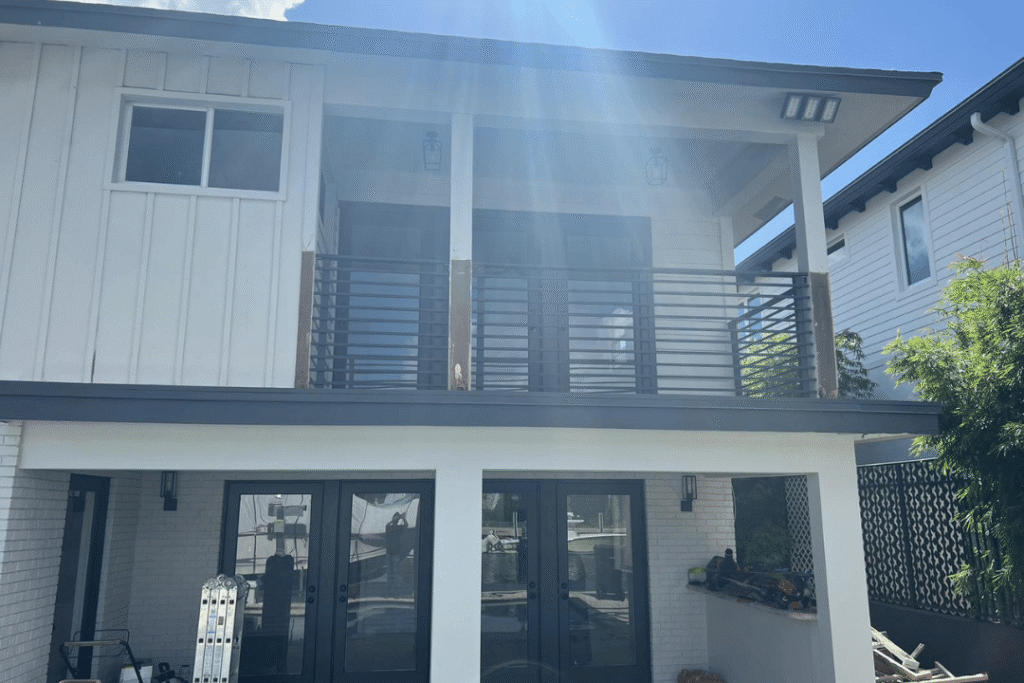
The Florida Building Code (FBC) establishes statewide standards for wind resistance, impact protection, and structural performance.
To be legally installed in many Florida regions, an entry door must:
- meet FBC wind load requirements
- pass ASTM impact tests
- achieve appropriate DP ratings
- comply with local municipal regulations
Failure to install code-compliant doors can result in inspection issues and voided insurance coverage.
Why Certification and Installation Both Matter
A common misconception is that purchasing a “hurricane door” automatically guarantees protection. In reality, certification and proper installation are equally important.
A certified hurricane-rated door must be:
- installed per manufacturer guidelines
- anchored according to approved drawings
- sealed properly to prevent leaks
- inspected when required
Without proper installation, even the strongest door can fail.
Everyday Benefits Beyond Storm Protection
While hurricane resistance is the primary function, hurricane-rated entry doors also provide:
- enhanced home security
- improved insulation
- reduced noise transmission
- increased property value
- lower insurance premiums through wind mitigation
These doors offer year-round performance benefits, not just seasonal protection.
Guardian Shield Windows & Doors — Certified Hurricane Entry Door Experts
At Guardian Shield Windows & Doors, we install entry doors that meet or exceed Florida’s strict testing standards.
Our door systems are:
- Miami-Dade NOA certified where required
- Compliant with the Florida Building Code
- tested for impact and pressure resistance
- professionally installed for maximum performance
We help Florida homeowners choose entry doors that combine strength, style, and code compliance.
Install an Entry Door Engineered for Florida’s Strongest Storms
Not all doors are built for Florida weather. A hurricane-rated entry door is engineered, tested, and certified to protect your home during the most extreme conditions.Connect with Guardian Shield Windows & Doors to explore hurricane-rated entry doors designed for Florida homes.
Schedule your free consultation today and ensure your entryway meets the highest storm protection standards.