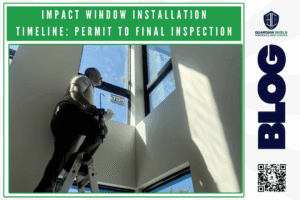

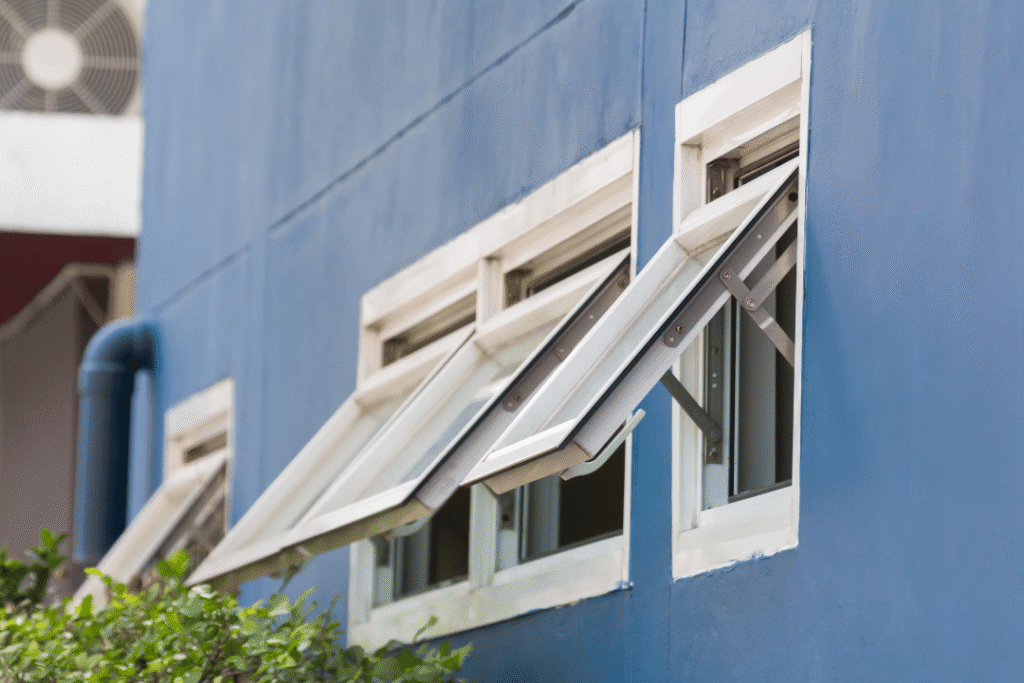
Impact windows are one of the most important upgrades Florida homeowners can make. Designed to withstand hurricane-force winds and flying debris, they significantly improve structural protection and long-term durability.
Before installation begins, however, many homeowners want clarity about local regulations and approval requirements. In Florida, installing impact windows typically requires a building permit. Because these systems directly affect a home’s structural envelope and storm protection performance, local building departments require permits and inspections to ensure compliance with state and municipal codes.
In this guide, Guardian Shield Windows & Doors explains when permits are required, why they matter, how the approval process works, and what Florida homeowners should expect before installation begins.
Why Florida Requires Permits for Impact Window Installation
Florida has some of the strictest building codes in the country. These regulations are shaped by:
- Hurricane exposure
- High wind zones
- Coastal conditions
- Historical storm damage patterns
Impact windows are not considered cosmetic upgrades. They directly affect:
- Structural integrity
- Wind resistance
- Water intrusion protection
- Insurance and wind mitigation qualifications
Because of this, municipalities require permits to verify that windows:
- Meet Florida Building Code (FBC) standards
- Carry proper product approvals
- Are installed according to manufacturer specifications
Permits protect homeowners by ensuring the system performs as intended during severe weather.
When Is a Permit Required?
In Florida, a permit is almost always required when replacing existing windows with impact-rated systems.
Permit requirements generally apply when:
- Replacing standard windows with impact windows
- Enlarging or modifying window openings
- Changing structural framing
- Installing new windows in previously solid walls
Even if you are replacing windows of the same size, most counties still require a permit because impact windows change the performance characteristics of the building envelope.
Local rules may vary slightly, but skipping a permit is rarely allowed for impact window installation.
What Does the Permit Process Involve?
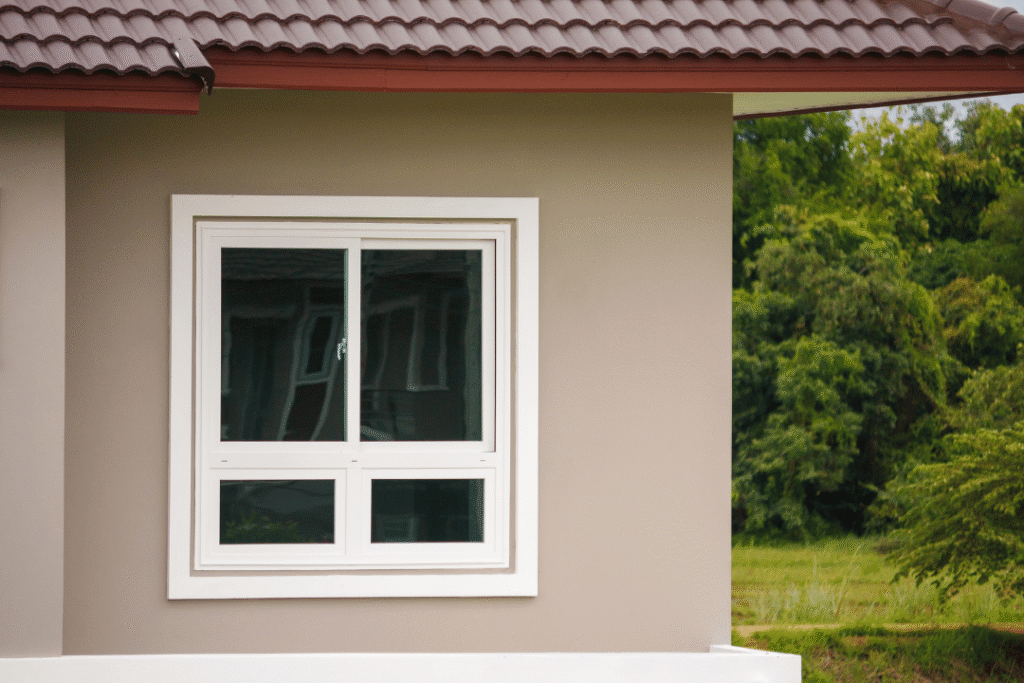
While the process varies by county, the general steps follow a predictable structure.
1. Permit Application Submission
The contractor typically submits:
- Product approval documents
- Engineering specifications
- Window performance ratings
- Installation details
- Property information
Florida requires windows to have Florida Product Approval or Miami-Dade Notice of Acceptance (NOA) in many high-velocity hurricane zones.
2. Plan Review
Building departments review documentation to confirm:
- The selected windows meet local wind load requirements
- Anchoring methods comply with code
- Glass specifications meet impact standards
This review ensures the system is appropriate for the home’s exposure category.
3. Installation
Once approved, installation begins according to:
- Manufacturer guidelines
- Approved anchoring methods
- Sealing and waterproofing requirements
Proper installation is just as important as product selection.
4. Inspection
After installation, a building inspector verifies:
- Correct anchoring and fastener spacing
- Proper sealing
- Compliance with approved plans
Only after passing inspection is the permit officially closed.
Why Permits Matter for Florida Homeowners
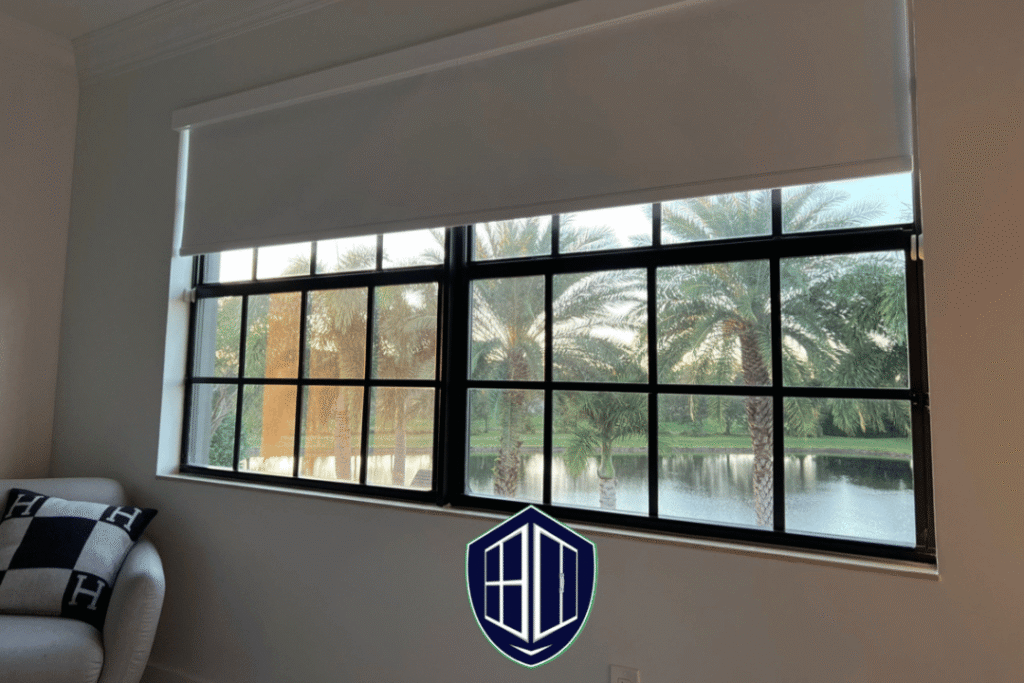
Some homeowners wonder whether pulling a permit is necessary if they trust their contractor.
The permit serves several important purposes:
Protects Structural Safety
Inspections confirm that:
- Windows are securely anchored
- Frames meet pressure ratings
- Seals protect against water intrusion
Supports Insurance Documentation
Many insurance companies require proof that:
- Impact windows were installed with proper approvals
- Installation passed inspection
Without permits, homeowners may have difficulty qualifying for wind mitigation credits.
Prevents Future Real Estate Issues
When selling a home, unpermitted work can:
- Delay closing
- Trigger retroactive inspections
- Reduce buyer confidence
Proper permitting protects long-term property value.
What Happens If You Skip the Permit?
Installing impact windows without a permit can create significant risks.
Possible consequences include:
- Municipal fines
- Forced removal of non-permitted windows
- Insurance claim complications
- Difficulty selling the home
- Failed inspections during future renovations
In hurricane-prone regions, compliance is not optional — it’s essential.
Are There Any Exceptions?
In rare cases, minor repairs that do not alter structural performance may not require permits. However, replacing windows with impact-rated systems almost always triggers permitting requirements.
Because local regulations differ, homeowners should confirm requirements directly with their building department or work with a licensed contractor familiar with Florida code.
Florida Building Code and Impact Windows
Florida’s building standards are shaped by storm history and structural engineering research.
Impact windows must meet:
- Wind load requirements specific to the property location
- Debris impact resistance standards
- Water infiltration limits
- Design pressure ratings
These requirements vary based on:
- Coastal proximity
- Exposure category
- Building height
- Regional wind maps
Permits ensure that installed systems align with these performance expectations.
How Long Does the Permit Process Take?
Timelines vary depending on:
- Municipality workload
- Complexity of the project
- Completeness of submitted documentation
In many Florida counties:
- Permit approval may take several days to a few weeks
- Installation may begin shortly after approval
- Inspection typically occurs within days of completion
Planning ahead helps avoid delays, especially during peak storm season when demand increases.
Who Is Responsible for Pulling the Permit?
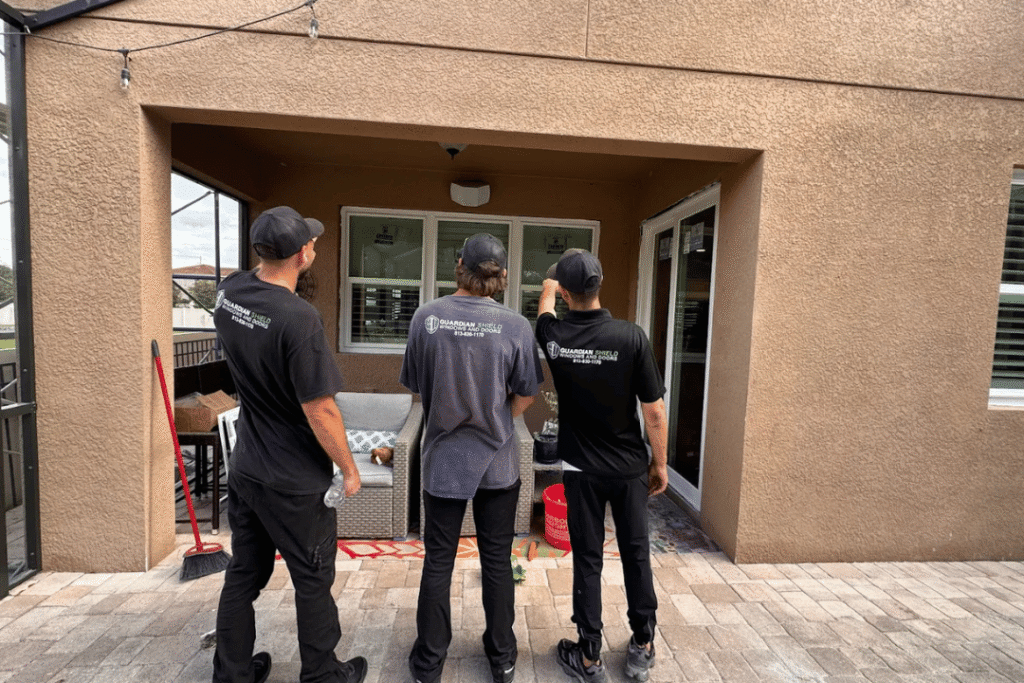
In most cases, the licensed contractor handling installation submits and manages the permit process.
Homeowners should confirm:
- The contractor is licensed in Florida
- The permit will be filed under the contractor’s license
- Product approvals are included in the application
Working with experienced professionals simplifies the process and reduces compliance risks.
Permits and Wind Mitigation Inspections
After installation, homeowners often schedule a wind mitigation inspection to qualify for potential insurance credits.
The inspector reviews:
- Window labels
- Product approval documentation
- Installation compliance
If windows were installed without permits, insurers may reject mitigation credits due to lack of official documentation.
This is one of the most important financial reasons permitting matters.
Planning Ahead Makes Installation Smoother
Impact window installation is a structured process that begins long before the first window is removed. Understanding permit requirements, product approvals, and inspection steps allows homeowners to move forward confidently and avoid unexpected setbacks.
By planning properly and ensuring full compliance with Florida Building Code standards, homeowners protect not only their property but also their long-term insurance eligibility and resale value.
If you are preparing to upgrade your windows and want clarity on Florida permit requirements, Guardian Shield Windows & Doors can guide you through the process from documentation to final inspection. Schedule your free consultation today and contact us to learn how properly permitted impact window installations protect your home and meet Florida standards.