
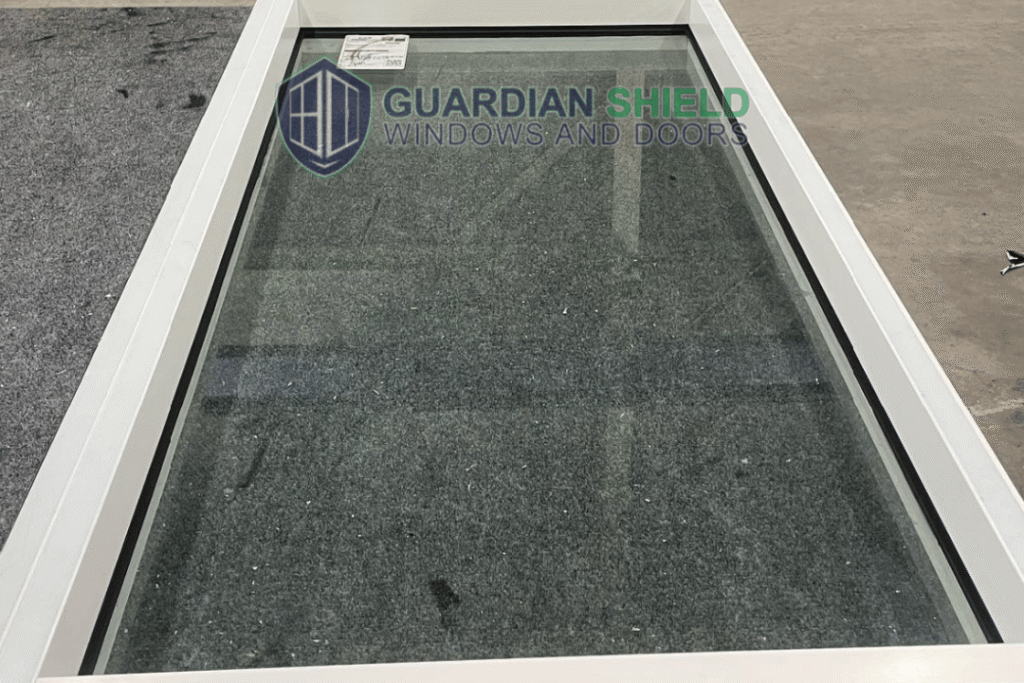
Florida homes are built with storm protection in mind. When hurricanes approach, impact windows and glass doors are among the most vulnerable parts of a home’s exterior. That’s why impact-rated systems rely on specialized glass designed to withstand extreme conditions.
Two types of safety glass are often mentioned in hurricane discussions: laminated glass and tempered glass. While both are stronger than standard glass, they perform very differently in impact situations.
In this guide, Guardian Shield Windows & Doors explains the key differences between laminated and tempered glass, how each behaves under stress, and why laminated glass plays a critical role in hurricane impact systems.
Why Glass Type Matters in Hurricane Protection
During a hurricane, glass must withstand:
- Flying debris
- Sudden pressure changes
- High wind loads
- Wind-driven rain
- Repeated stress cycles
If a window fails, internal pressure can increase rapidly and compromise the roof or structural integrity of the home. The type of glass used directly affects whether the opening remains sealed.
Understanding the differences between laminated and tempered glass helps homeowners make informed decisions about storm protection.
What Is Laminated Glass?
Laminated glass consists of two or more layers of glass bonded together with a durable interlayer, typically made of polyvinyl butyral (PVB) or similar materials.
This construction creates a layered system that holds together when damaged.
Laminated glass:
- Contains multiple bonded glass layers
- Includes a flexible interlayer
- Remains intact even when cracked
- Prevents shards from separating
When struck by debris, laminated glass may crack but the interlayer keeps the opening sealed.
What Is Tempered Glass?
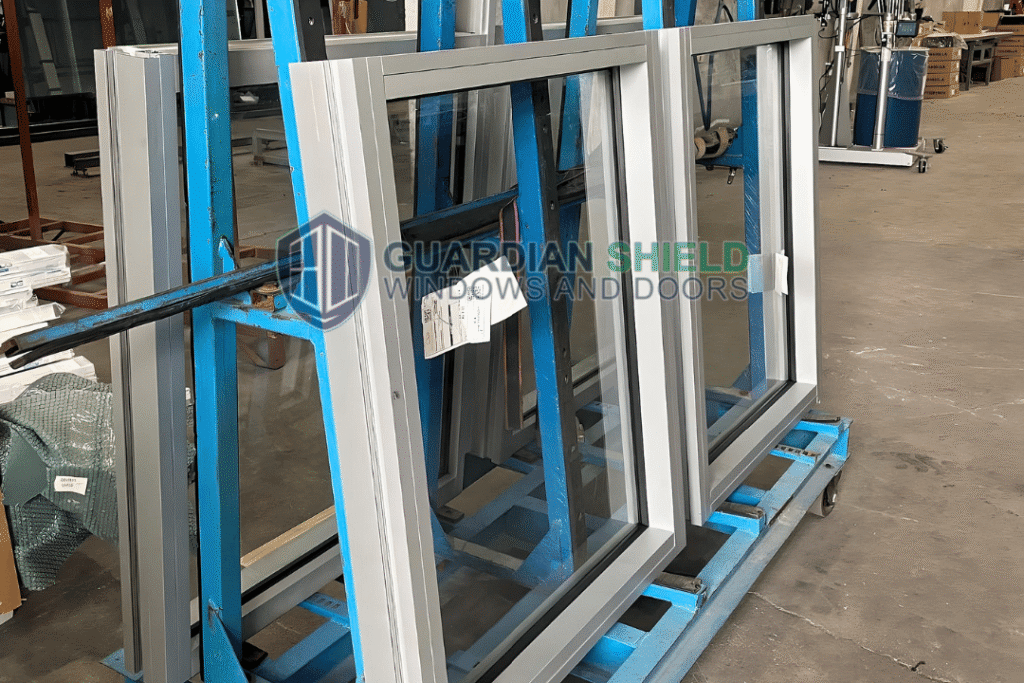
Tempered glass is heat-treated to increase strength compared to untreated glass. The heating and rapid cooling process strengthens the surface.
Tempered glass:
- Is stronger than standard glass
- Breaks into small, blunt fragments
- Reduces injury risk from sharp shards
- Is commonly used in shower doors and interior applications
However, when tempered glass breaks, it shatters completely and leaves an open space.
How Laminated Glass Performs in Hurricanes
Laminated glass is specifically engineered for impact systems because of how it behaves under force.
During a hurricane, laminated glass:
- May crack under debris impact
- Holds together instead of shattering
- Maintains a protective barrier
- Helps prevent internal pressure buildup
Even after impact, the interlayer prevents the opening from being breached. This is critical for maintaining the home’s structural envelope.
How Tempered Glass Performs Under Impact
Tempered glass is strong — but it behaves differently.
When tempered glass reaches its failure point:
- It shatters into small pieces
- The entire panel collapses
- The opening becomes exposed
- Wind and rain can enter
While tempered glass reduces injury risk, it does not maintain structural protection once broken.
Key Differences Between Laminated and Tempered Glass
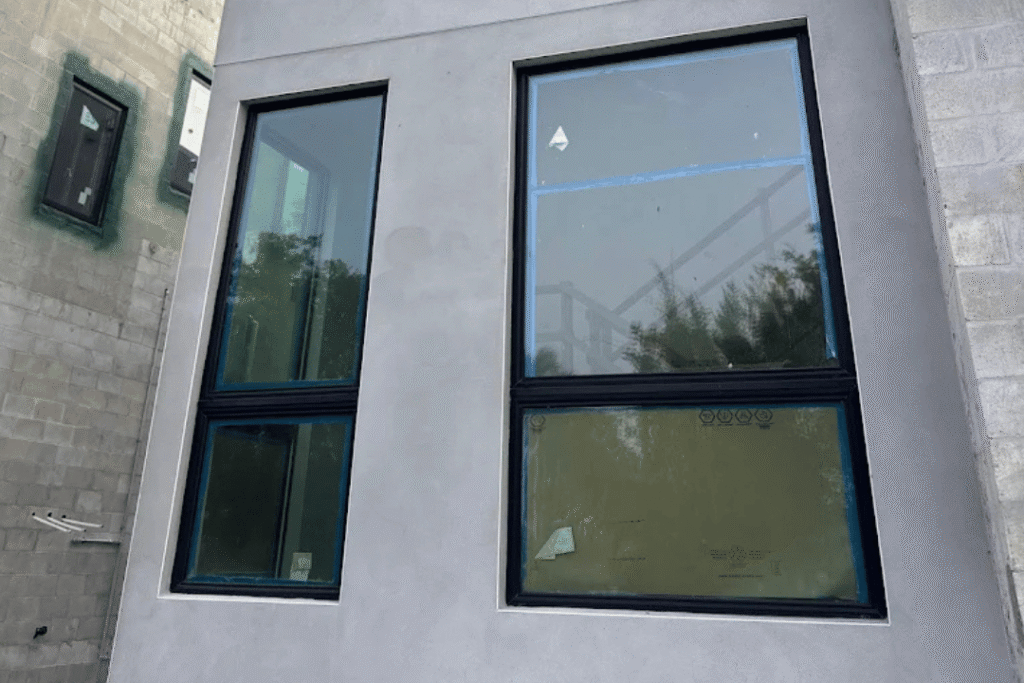
The most important differences come down to behavior after impact.
Laminated glass:
- Stays bonded when cracked
- Maintains a sealed barrier
- Supports hurricane system integrity
- Reduces noise transmission
Tempered glass:
- Breaks into small fragments
- Leaves an open space
- Is not sufficient alone for hurricane protection
- Is commonly used for interior safety needs
For hurricane impact systems, laminated glass is essential because it continues to protect even after damage occurs.
Why Hurricane Impact Systems Use Laminated Glass
Florida Building Code and high-velocity hurricane zones require glass systems that pass impact and pressure cycling tests.
To meet these standards, impact systems typically include:
- Laminated safety glass
- Reinforced frames
- Structural anchoring
- Tested pressure resistance
Tempered glass alone cannot meet these hurricane performance requirements because it does not remain intact after failure.
Can Laminated and Tempered Glass Be Combined?
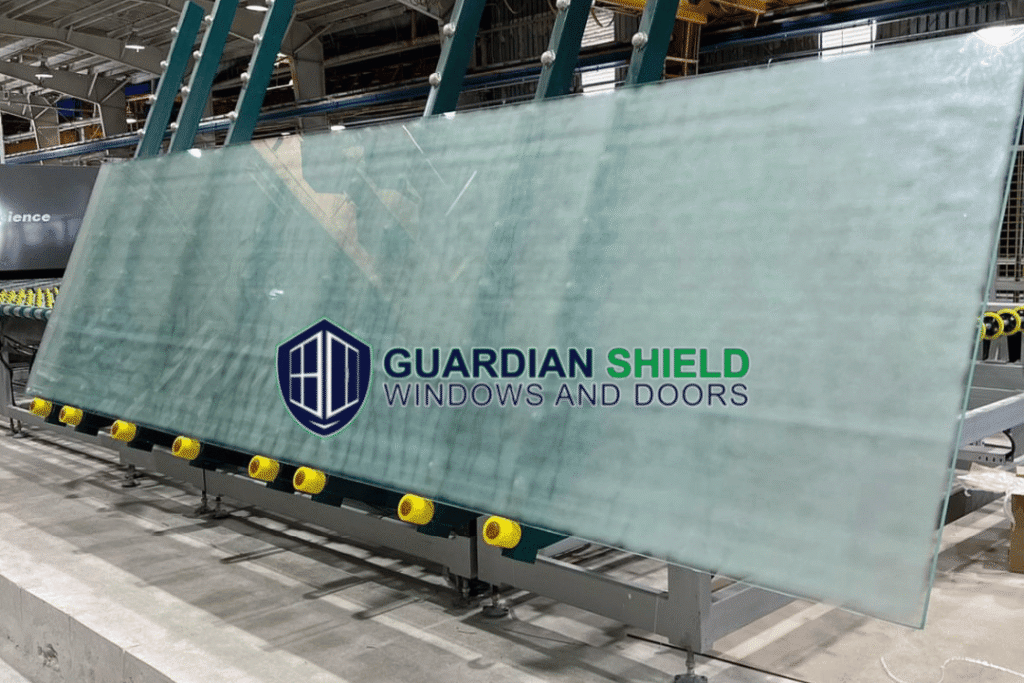
In some impact-rated systems, laminated glass may include tempered layers for additional strength. In these cases:
- The outer layers may be tempered
- The interior interlayer remains laminated
- The system benefits from both strength and retention
This combination enhances performance while preserving the sealed barrier function.
Additional Benefits of Laminated Glass
Beyond hurricane protection, laminated glass also offers:
- Noise reduction
- UV protection
- Increased security against forced entry
- Improved indoor comfort
Because of its layered construction, laminated glass provides multiple performance advantages beyond storm resistance.
Why Understanding the Difference Matters
Homeowners sometimes assume that “strong glass” is enough. But hurricane protection is not just about strength, it’s about how glass behaves when it fails.
The critical question is not:
“Is the glass strong?”
It is:
“What happens after impact?”
Laminated glass continues to protect. Tempered glass does not.
Guardian Shield Windows & Doors — Impact Systems Designed for Florida Standards
At Guardian Shield Windows & Doors, we help Florida homeowners understand how laminated glass functions within hurricane impact systems. Our approach focuses on education, building code compliance, and long-term structural performance.
We work with systems that:
- Meet Florida Building Code standards
- Maintain sealed protection during impact
- Provide everyday comfort benefits
- Deliver reliable storm resistance
Our goal is to ensure homeowners understand the science behind impact systems — not just the marketing terms.
Strength Alone Isn’t Enough
Both laminated and tempered glass are safety products but they serve different purposes.
For hurricane impact systems in Florida:
- Laminated glass provides barrier retention
- Tempered glass provides fragmentation safety
- Impact-rated systems rely on laminated construction
Upgrade to the Right Hurricane Impact System for Your Florida Home
Understanding these key differences allows homeowners to choose protection that aligns with Florida’s severe weather risks.
If you’re evaluating hurricane impact systems and want clarity on how laminated glass protects your home, Guardian Shield Windows & Doors can help you explore options built specifically for Florida living.Schedule your free consultation today and learn how properly engineered impact systems deliver both safety and confidence.