Upgrading to impact windows is one of the most important improvements a Florida homeowner can make. Beyond hurricane protection, impact-rated systems enhance energy efficiency, improve indoor comfort, and strengthen overall structural resilience. However, many homeowners are unsure what the installation process actually involves. Questions often arise about permits, inspections, timelines, and what to expect once the project begins.
Understanding the full installation timeline from permit approval to final inspection, helps homeowners plan confidently and avoid unnecessary surprises. In this guide, Guardian Shield Windows & Doors explains how the impact window installation timeline typically unfolds in Florida and what factors can influence each phase.
Why Impact Window Projects Require Permits in Florida
Florida has some of the strictest building codes in the country due to hurricane exposure. Because impact windows affect the structural envelope of the home, permits are required in most municipalities.
Permits ensure:
- The windows meet Florida Building Code (FBC) standards
- Products are properly rated for wind zone requirements
- Installation methods follow structural anchoring guidelines
- The project is reviewed by local building authorities
Permit approval protects both the homeowner and the long-term performance of the system.
Step 1: Initial Evaluation and Measurements
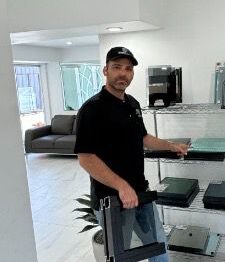
Before permits are submitted, the project begins with a detailed evaluation of the home.
This phase typically includes:
- Measuring existing window openings
- Confirming structural framing conditions
- Reviewing wind zone requirements
- Verifying product ratings and approvals
Accurate measurements are critical because impact windows are often custom manufactured to match specific openings.
This step usually takes one visit but may vary depending on the size of the home.
Step 2: Product Selection and Engineering Review
After measurements are finalized, the selected impact window system must align with:
- Florida Building Code requirements
- Local wind load pressures
- Opening size limitations
- Product approval documentation
In high-wind zones or coastal areas, additional engineering review may be required to confirm compliance.
Once finalized, the permit package can be prepared.
Step 3: Permit Submission and Approval
Permit timelines vary by municipality. Some areas process residential permits quickly, while others require extended review periods.
The permit submission typically includes:
- Product approval documents
- Engineering calculations (if required)
- Window schedules and measurements
- Contractor licensing information
Approval time can range from:
- A few days in smaller municipalities
- Several weeks in higher-demand regions
Weather season, workload at the building department, and documentation accuracy all affect processing speed.
Step 4: Window Manufacturing and Delivery
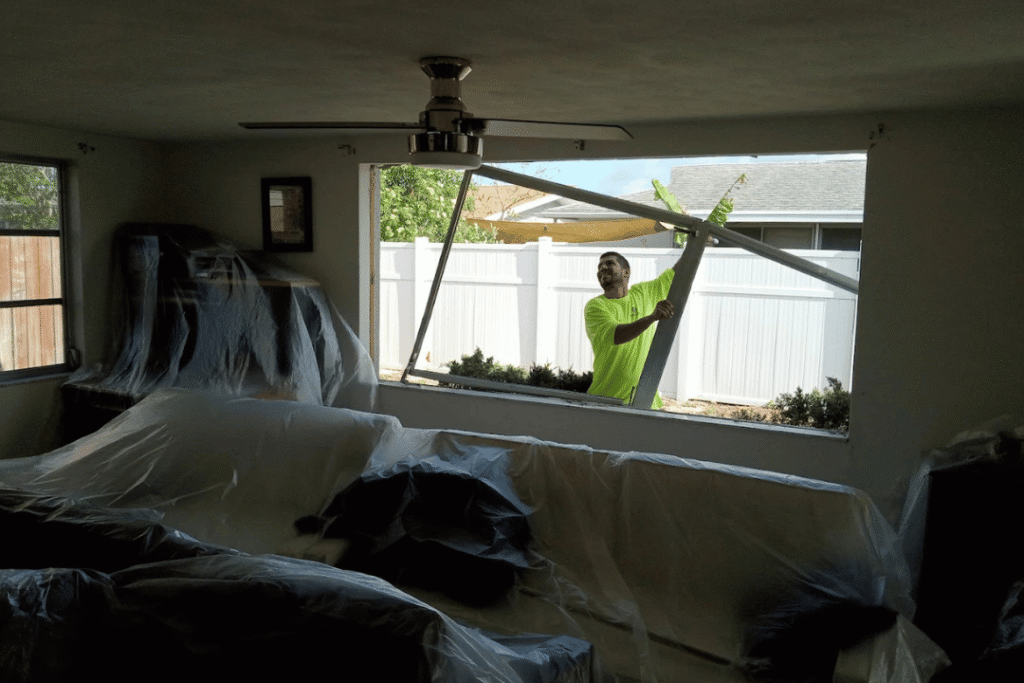
Because impact windows are often custom-built, manufacturing time is an important part of the timeline.
Production may take:
- Several weeks depending on product type
- Longer during peak hurricane season
- Additional time if specialty finishes are selected
Custom fabrication ensures:
- Proper fit
- Certified impact rating
- Compliance with pressure testing standards
Once manufacturing is complete, the windows are scheduled for delivery and installation.
Step 5: Installation Phase
The actual installation process is typically faster than homeowners expect.
For most homes, installation may take:
- One to two days for smaller projects
- Several days for larger homes
- Longer for full-house replacements
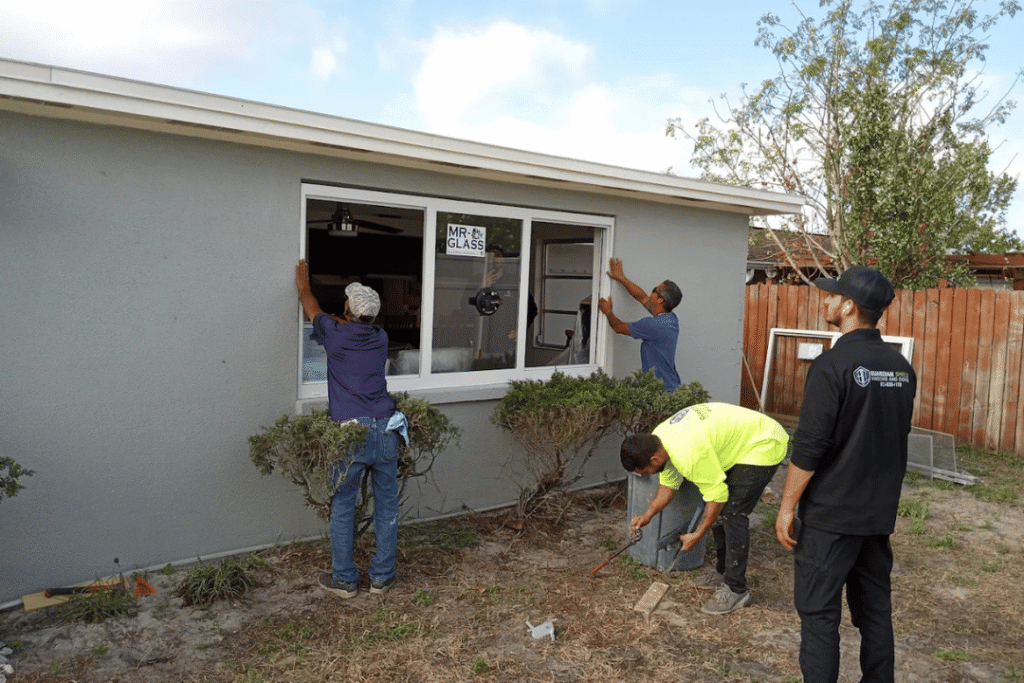
During installation, crews will:
- Remove existing windows
- Prepare openings
- Anchor impact windows into structural framing
- Seal and weatherproof the perimeter
Proper anchoring and sealing are critical for passing final inspection and ensuring long-term performance.
What Homeowners Can Expect During Installation
Installation is generally efficient but involves temporary disruption.
Homeowners may experience:
- Moderate construction noise
- Temporary removal of interior window trim
- Limited access to certain rooms during work
Reputable installers take steps to protect flooring and interior finishes, but preparation is still helpful. Most homeowners remain in the home during installation.
Step 6: Final Inspection
Once installation is complete, the local building department performs a final inspection.
The inspector verifies:
- Proper anchoring methods
- Correct product approval usage
- Compliance with approved permit documentation
- Weather sealing and structural integrity
If everything meets code, the permit is closed.
The final inspection ensures the system is officially recognized as compliant with Florida standards.
Total Timeline: What Is Realistic?
While installation itself may take only a few days, the full timeline from permit to final inspection is typically longer.
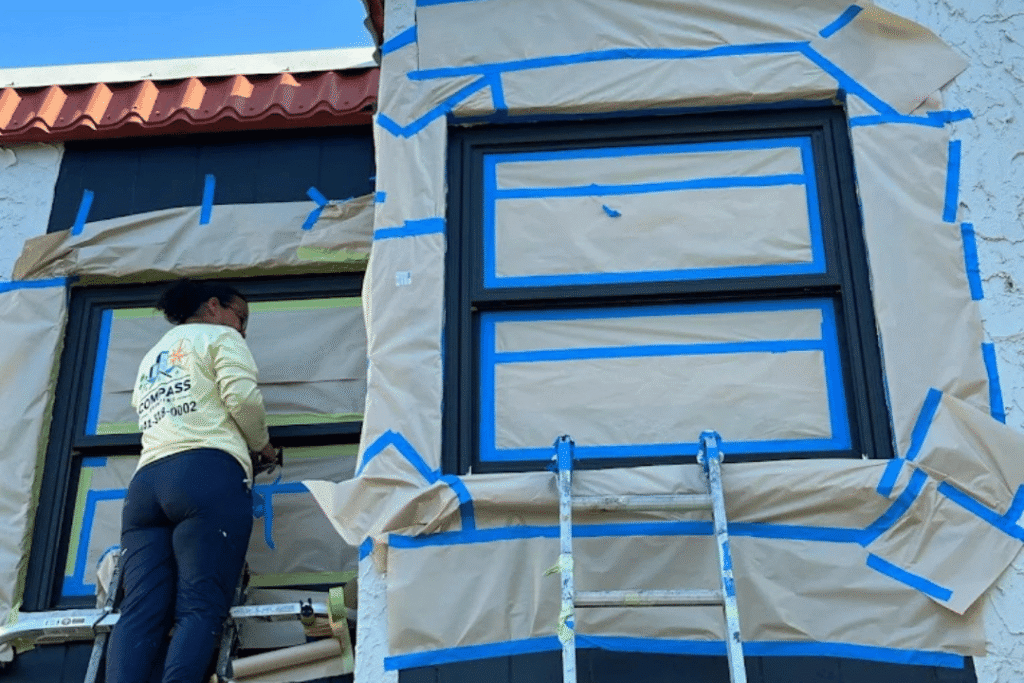
A realistic overall timeframe may include:
- 1–3 weeks for permit approval (varies by city)
- 4–8 weeks for manufacturing (seasonal variation)
- 1–5 days for installation
- 1–2 weeks for inspection scheduling
In total, many projects range between 6 to 10 weeks from start to completion.
However, local permitting delays or high seasonal demand can extend timelines.
Factors That Influence Installation Speed
Several variables affect how quickly a project moves forward:
- Municipality processing speed
- Hurricane season demand
- Product availability
- Complexity of window openings
- HOA approval requirements
Planning ahead especially before peak storm season helps reduce delays.
Why Proper Permitting and Inspection Matter
Some homeowners may wonder whether permits are necessary. In Florida, proper permitting is not optional — and skipping this step can create long-term complications.
Permits and inspections help ensure:
- Code compliance
- Insurance eligibility
- Valid warranty coverage
- Resale documentation accuracy
Unpermitted work can cause issues during home sales, refinancing, or insurance evaluations.
Guardian Shield Windows & Doors — Managing the Process from Start to Finish
At Guardian Shield Windows & Doors, we help Florida homeowners understand every stage of the impact window installation process. From documentation preparation to final inspection scheduling, clarity and compliance are essential.
We focus on:
- Code-compliant product selection
- Accurate measurement and documentation
- Proper anchoring and sealing methods
- Inspection-ready installation standards
Our goal is to ensure homeowners understand what to expect at each step and feel confident throughout the timeline.
Planning Ahead Makes the Process Smoother
Impact window installation is not an overnight project, but it is a structured and manageable process when properly planned. By understanding permit requirements, manufacturing timelines, installation expectations, and final inspection procedures, homeowners can approach their upgrade with clarity and confidence.
If you’re considering impact window installation and want to better understand the full timeline from permit approval to final inspection, Guardian Shield Windows & Doors can help guide you through every stage. Schedule your free consultation today to explore how properly engineered impact window systems are installed to meet Florida building standards and long-term performance expectations.
Contact us today to take the next step toward protecting your home with confidence.