
Florida’s commercial architecture has undergone a clear transformation over the past decade. Open layouts, natural light, and seamless visual flow now define modern restaurants, offices, and retail spaces across the state. As these design priorities evolve, commercial glass railing systems have become a preferred architectural element, especially for projects that demand both visual impact and structural performance.
For Florida architects, glass railings are no longer just a stylistic choice. They are a practical solution that aligns with modern aesthetics, safety requirements, building codes, and the environmental realities of Florida’s climate. Whether designing a coastal restaurant, a multi-level office, or a high-traffic retail space, architects consistently turn to glass railings to achieve openness without sacrificing safety or durability.
In this guide, Guardian Shield Windows & Doors explores why Florida architects increasingly prefer glass railings for commercial projects and how these systems support both design vision and real-world performance.
The Shift Toward Open, Transparent Commercial Design
Modern commercial design in Florida prioritizes openness. Architects are tasked with creating spaces that feel inviting, bright, and visually connected, especially in hospitality and retail environments where customer experience matters.
Traditional railing systems often work against these goals:
- Solid barriers block sightlines
- Metal railings visually segment spaces
- Heavy designs reduce natural light flow
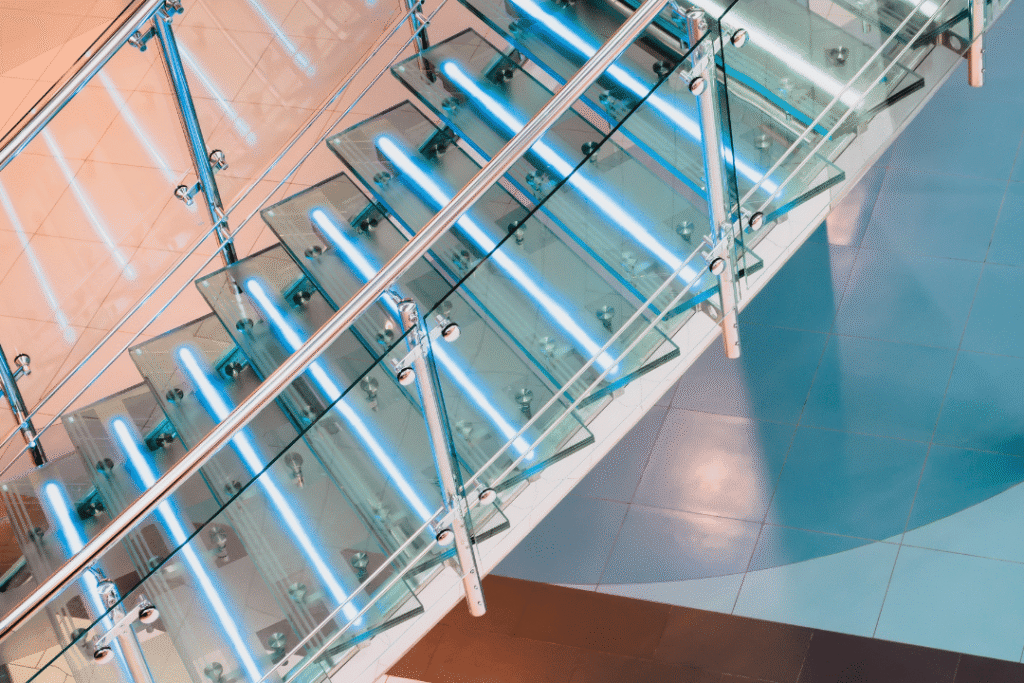
Glass railings solve these issues by maintaining clear visibility while still serving as essential safety barriers. This makes them ideal for multi-level restaurants, open-concept offices, and retail environments where visual continuity enhances the overall experience.
Why Glass Railings Fit Florida’s Architectural Identity
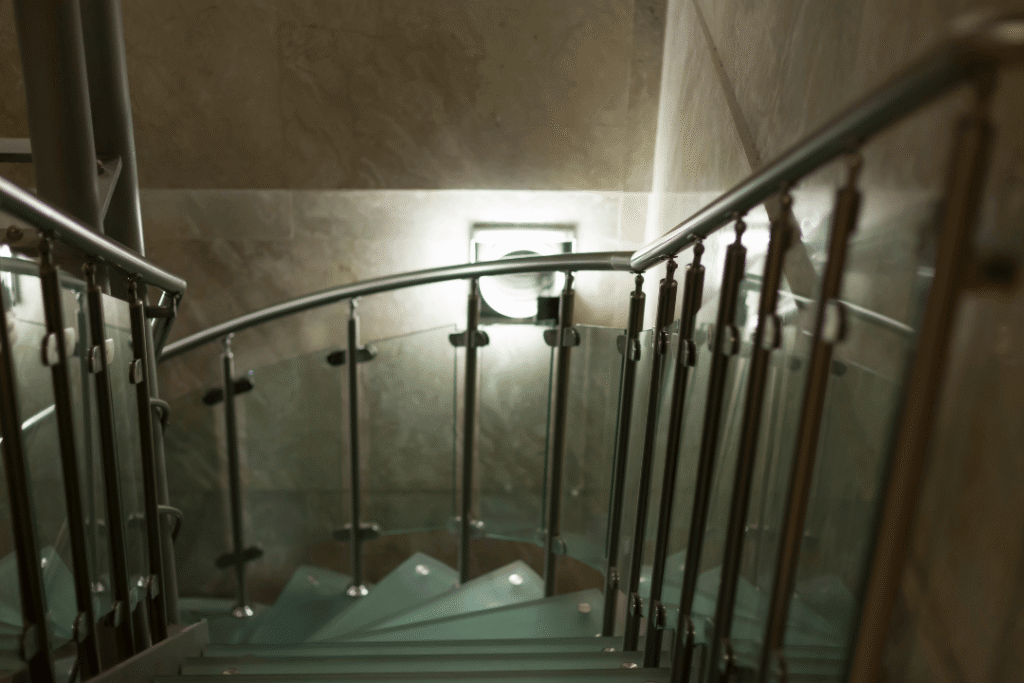
Florida architecture is deeply influenced by its environment. Coastal views, outdoor-indoor transitions, and abundant sunlight shape how commercial spaces are designed.
Glass railings complement this identity by:
- Preserving views and openness
- Allowing light to move freely through spaces
- Creating a clean, modern aesthetic
For architects designing in Florida, glass railings feel like a natural extension of the region’s architectural language rather than an added feature.
Restaurants: Enhancing Atmosphere Without Compromising Safety
In restaurant design, atmosphere is everything. Elevated dining areas, mezzanines, staircases, and outdoor terraces are common features, but they require railings that don’t disrupt the ambiance.
Architects prefer glass railings in restaurants because they:
- Maintain visual connection between dining levels
- Improve sightlines for staff and guests
- Support modern, upscale interiors
At the same time, commercial glass railings meet safety requirements for fall protection and crowd loads, making them suitable for high-occupancy restaurant environments.
Office Spaces: Supporting Collaboration and Light
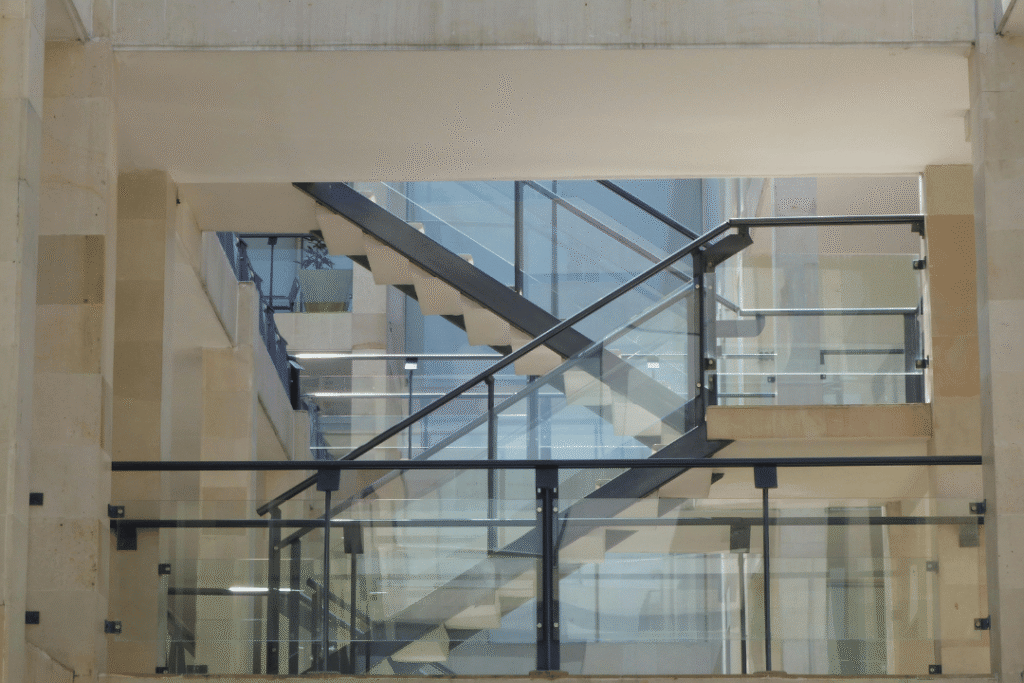
Modern offices in Florida are designed to encourage collaboration, visibility, and flexibility. Glass railings align perfectly with these goals.
In office projects, glass railings help:
- Keep staircases and mezzanines visually open
- Improve natural light distribution across floors
- Reinforce transparency and modern workplace culture
For architects, glass railings allow structural elements to remain present without visually dividing teams or workspaces.
Retail Projects: Improving Visibility and Customer Flow
Retail architecture relies heavily on sightlines and movement. Customers are more likely to explore spaces that feel open and easy to navigate.
Glass railings support retail design by:
- Keeping product displays visible across levels
- Improving wayfinding in multi-story stores
- Reducing visual clutter in high-traffic areas
Florida architects often choose glass railings to enhance customer flow while maintaining required safety barriers in staircases, balconies, and elevated walkways.
Meeting Safety and Building Code Requirements
While aesthetics matter, architects must also meet strict safety and code requirements, especially in Florida.
Commercial glass railing systems used in Florida projects are designed to:
- Meet Florida Building Code (FBC) standards
- Withstand required load and impact forces
- Provide fall protection in public spaces
When properly specified, these systems allow architects to achieve modern designs without compromising safety or compliance.
Durability in Florida’s Climate
Florida’s climate places unique demands on commercial materials. Humidity, UV exposure, and coastal salt air can quickly degrade traditional railing systems.
Architects prefer glass railing systems that offer:
- Corrosion-resistant framing materials
- Laminated safety glass for durability
- Reduced long-term maintenance
These performance advantages make glass railings a practical choice for both interior and exterior applications in Florida commercial projects.
Flexibility Across Project Types
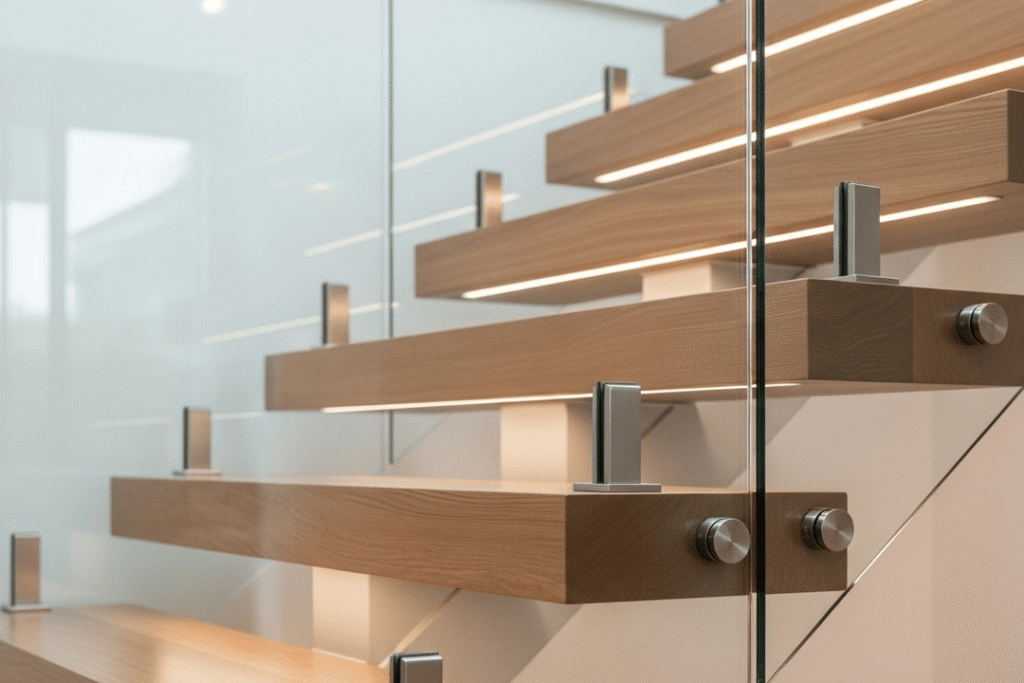
One reason architects repeatedly specify glass railings is their versatility. The same system concept can be adapted across multiple project types while maintaining consistent design language.
Glass railings are commonly used in:
- Restaurants and hospitality venues
- Corporate offices and coworking spaces
- Retail centers and mixed-use developments
- Staircases, balconies, and terraces
This flexibility simplifies design coordination while delivering consistent results.
Supporting Brand Image and Tenant Expectations
Commercial clients increasingly want spaces that feel modern, premium, and thoughtfully designed. Glass railings help architects deliver on these expectations.
From a branding perspective, glass railings:
- Signal modernity and quality
- Align with contemporary interior design trends
- Enhance perceived property value
For developers and property owners, this design choice can improve tenant attraction and customer perception.
Integration with Other Glass Systems
Glass railings integrate seamlessly with other architectural glass elements commonly used in Florida commercial projects, such as:
- Storefront systems
- Impact-rated windows and doors
- Glass partitions and walls
This cohesive use of glass helps architects create unified designs that feel intentional rather than piecemeal.
Installation Quality Protects Design Intent
Architects understand that even the best design depends on execution. Proper installation ensures that glass railings perform as intended while preserving design details.
Professional installation ensures:
- Accurate alignment and spacing
- Proper anchoring and load transfer
- Compliance with engineering specifications
For Florida projects, installation quality also affects long-term durability and safety performance.
Why Architects Continue to Specify Glass Railings in Florida
Ultimately, Florida architects prefer glass railings because they solve multiple challenges at once. They deliver:
- Modern aesthetics
- Code-compliant safety
- Durability in harsh environments
- Flexibility across commercial project types
Few other railing systems offer the same balance of form and function.
Partner with Guardian Shield Windows & Doors
At Guardian Shield Windows & Doors, we work closely with architects, developers, and commercial property owners to deliver commercial glass railing systems designed for Florida’s climate, codes, and design expectations. Our expertise ensures that architectural vision translates into safe, durable, and compliant installations.If you’re planning a restaurant, office, or retail project in Florida, contact us today to explore glass railing solutions that elevate both design and performance.