

Modern impact door systems may look like any other exterior door, but behind their clean appearance lies a complex blend of material science, structural engineering, and hurricane-tested technology.
In storm-prone states like Florida, these doors serve as a home’s first line of defense, protecting against extreme winds, flying debris, and pressure changes.
In this guide, Guardian Shield Windows & Doors breaks down the engineering principles that make impact doors strong, safe, and essential for long-term hurricane resilience.
Understanding the Core Purpose of Impact Door Engineering
Impact doors are engineered to maintain the home’s structural envelope during hurricanes.
To do this, they must withstand:
- high-speed debris impacts
- repeated pressure cycling
- wind loads
- water intrusion
- frame and hinge stress
The engineering behind these systems ensures that even under violent conditions, the door stays anchored, sealed, and structurally intact.
Laminated Glass Technology: The Heart of Impact Resistance
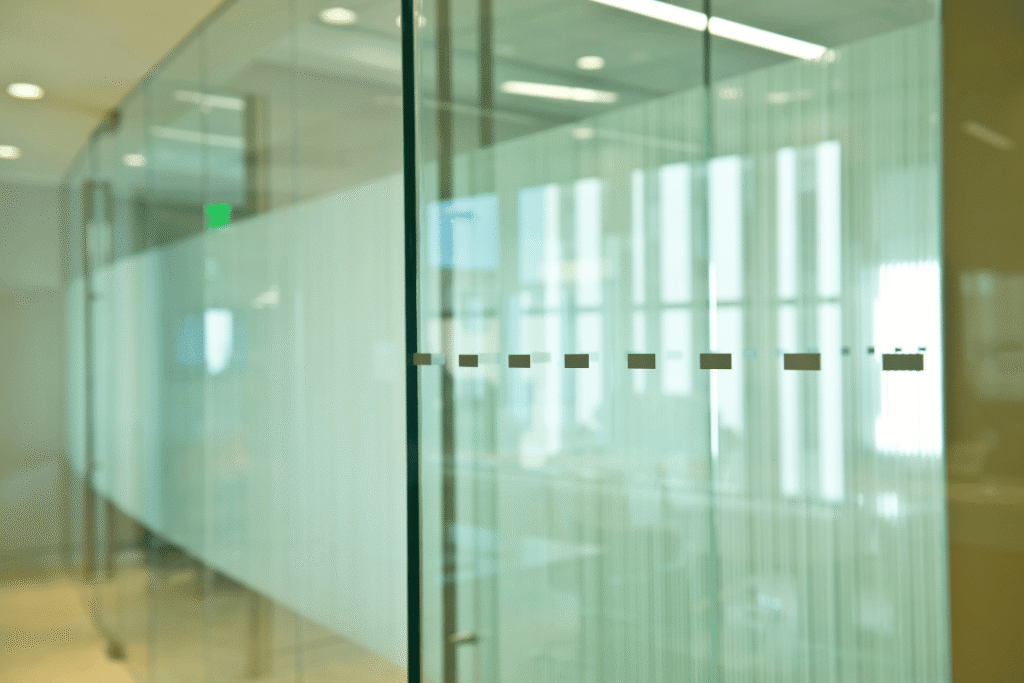
Modern impact doors often feature laminated impact glass, which contains two sheets of glass bonded with a PVB (polyvinyl butyral) or SGP interlayer.
Key engineering benefits:
- The interlayer absorbs and disperses impact energy.
- Even if the outer layer cracks, the glass stays intact.
- It prevents windborne debris from breaching the interior.
- It maintains pressure balance inside the home.
This technology is identical to what’s used in hurricane impact windows engineered to prevent catastrophic failure under intense conditions.
Reinforced Door Frames and Multi-Point Locking Systems
The frame of an impact door is as important as the glass itself. Engineers use:
- Heavy-gauge aluminum or reinforced fiberglass frames
- Steel-reinforced hinge plates
- Multi-point locking systems that anchor the door at several points
These components distribute stress evenly, preventing twisting, bowing, or detachment.
During hurricanes, homes experience rapid shifts in air pressure.
A strong frame ensures that the door remains securely in place, which is vital for preventing internal pressurization and structural uplift.
Design Pressure (DP) Ratings: The Engineering “Scorecard”
Every impact door is assigned a Design Pressure (DP) rating, which measures how much wind pressure a door can withstand.
This includes both:
- Positive pressure (wind pushing against the door)
- Negative pressure (wind pulling away from it)
DP ratings are determined through lab testing that replicates hurricane-force wind conditions.
Why DP ratings matter:
- Higher DP = better wind resistance
- Required for homes in coastal Florida
- Determines whether the door meets HVHZ (High-Velocity Hurricane Zone) standards
Appraisers, inspectors, and insurers rely heavily on DP ratings to evaluate home resilience.
Impact Testing and Pressure Cycling Replicating Real Hurricanes

Impact doors undergo rigorous tests mandated by:
- ASTM E1886/E1996 standards
- Miami-Dade Notice of Acceptance (NOA)
- Florida Building Code (FBC)
Tests include:
1. Large Missile Impact Test
A 9-lb 2×4 is launched at the door at high speed. The door must resist penetration and stay attached to the frame.
2. Pressure Cycling Test
The door is exposed to thousands of alternating pressure cycles to simulate hurricane gust patterns.
3. Water Infiltration Test
Engineers check whether the door prevents water intrusion under wind-driven rain.
These tests ensure impact doors don’t just survive a hit; they survive the entire storm.
Advanced Materials That Improve Strength and Efficiency
Modern impact doors rely on a combination of engineered materials, such as:
- Fiberglass skins for durability and temperature stability
- Aluminum cores for strength without excess weight
- Composite thresholds resistant to rot and corrosion
- Low-E coated glass for energy efficiency
- Foam-filled cores for insulation
These components work together to create a door that is strong, weather-resistant, energy-efficient, and long-lasting.
The Engineering Behind Water and Air Sealing
Stopping water intrusion is a critical engineering challenge.
Impact door systems use:
- Compression-seal weatherstripping
- Water-resistant sills
- Hurricane-rated sealants
- Precision-fit frames
These seals prevent wind-driven rain from entering the home, even during intense pressure changes.
Air sealing also improves:
- cooling efficiency
- indoor comfort
- noise reduction
- humidity control
This is why impact doors are both a safety upgrade and a lifestyle upgrade.
Modern Impact Doors Offer More Than Just Protection

While engineered for storms, today’s impact doors also enhance everyday living:
- improved home security
- reduced outdoor noise
- UV protection
- higher property value
- better energy performance
They combine engineering strength with visual appeal blending safety with modern design.
Guardian Shield Windows & Doors Engineered for Florida Weather
At Guardian Shield Windows & Doors, every impact door we install meets stringent engineering and performance standards, including:
- Miami-Dade NOA
- Florida Building Code HVHZ requirements
- ASTM impact and pressure tests
Our systems are designed to protect, perform, and enhance comfort year after year even in Florida’s toughest weather conditions.
Upgrade to an Engineered Door System Built to Protect Your Home
Strong protection starts with strong engineering.
Connect with Guardian Shield Windows & Doors to explore hurricane-rated impact door systems designed for safety, strength, and long-lasting performance.Schedule your free consultation today and learn how a properly engineered door can make your home safer and more resilient.