
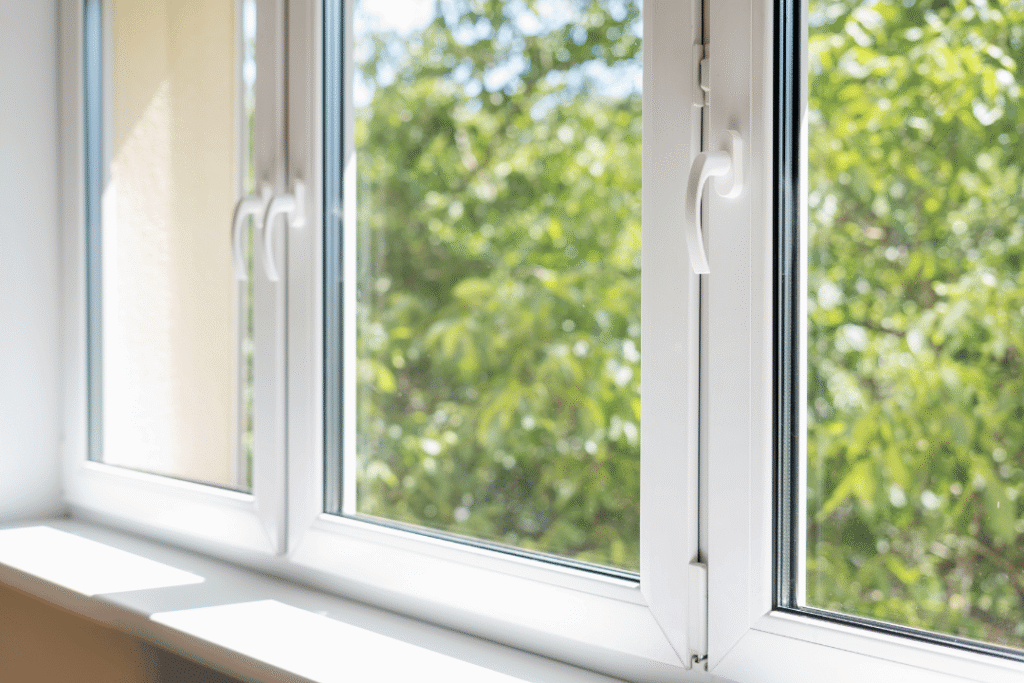
When choosing impact windows for a Florida home, most homeowners focus on hurricane protection. But once they decide on impact-rated glass, another important question follows:
Should you choose aluminum or vinyl frames?
Both materials are commonly used in Florida impact windows, and both can meet hurricane standards. However, they differ in durability, energy performance, maintenance needs, appearance, and long-term value.
This guide compares aluminum and vinyl impact windows specifically for Florida’s climate, helping homeowners understand which material may be better suited for their property.
Why Frame Material Matters in Florida
Florida homes face unique environmental stress:
- Intense UV exposure
- High humidity
- Salt air in coastal regions
- Hurricane-force winds
- Heavy rainfall
Impact glass protects against debris and pressure changes but the frame plays a major role in overall performance.
The right frame material affects:
- Structural strength
- Corrosion resistance
- Energy efficiency
- Maintenance requirements
- Longevity
Understanding how aluminum and vinyl perform under Florida conditions is essential before making a decision.
Aluminum Impact Windows: Strength and Structural Performance
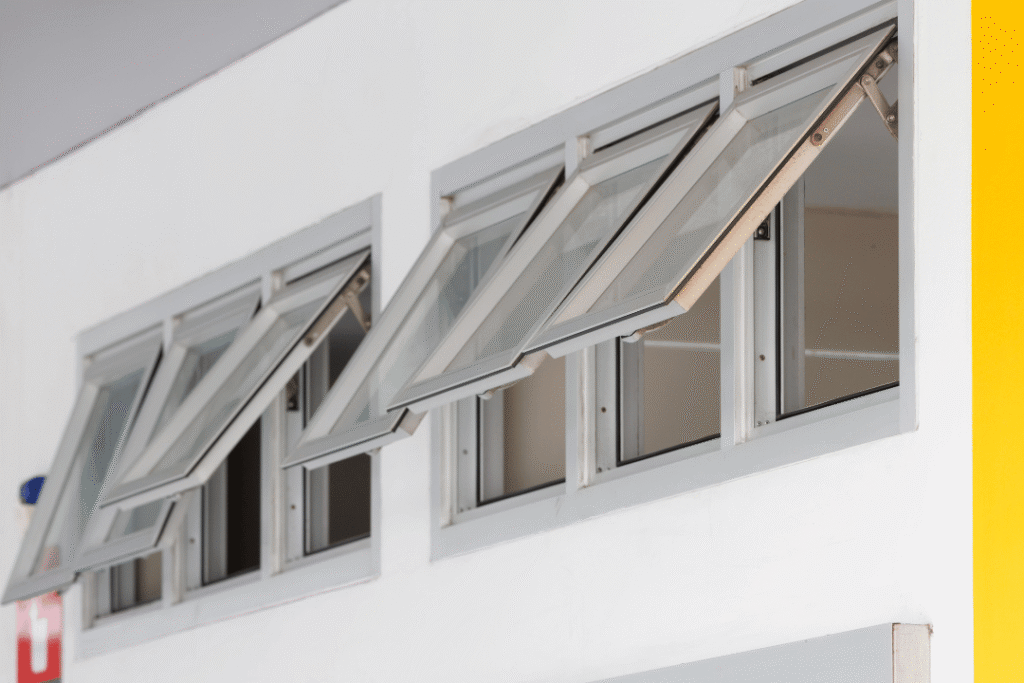
Aluminum frames are known for their strength and rigidity. Because aluminum is a metal, it can support large glass panels with slimmer profiles.
Advantages of Aluminum Frames
1. Structural Strength
Aluminum offers excellent rigidity, which can be beneficial in high-wind regions. Slimmer frames allow for larger glass areas and expansive views.
2. Modern Aesthetic
Aluminum frames often have a sleek, contemporary look that fits modern architecture.
3. Durability in Extreme Conditions
Properly finished aluminum frames can withstand high wind loads and storm conditions when built to impact standards.
Considerations With Aluminum
Heat Conductivity
Aluminum conducts heat more easily than vinyl. In Florida’s hot climate, this can affect energy efficiency unless thermal breaks are incorporated.
Potential for Corrosion
In coastal environments, untreated or lower-grade aluminum may be vulnerable to corrosion from salt air. High-quality finishes and coatings are essential.
Vinyl Impact Windows: Energy Efficiency and Low Maintenance
Vinyl frames are made from PVC (polyvinyl chloride), a material widely used in residential construction.
Advantages of Vinyl Frames
1. Strong Thermal Performance
Vinyl does not conduct heat as easily as aluminum, making it naturally more energy-efficient. In Florida, where air conditioning runs most of the year, this can help maintain indoor comfort.
2. Corrosion Resistance
Vinyl does not rust or corrode, which makes it especially appealing in coastal Florida communities.
3. Low Maintenance
Vinyl frames typically require minimal upkeep and do not need repainting.
Considerations With Vinyl
Frame Thickness
Vinyl frames are generally thicker than aluminum. While this improves insulation, it may slightly reduce visible glass area.
Expansion in Heat
Florida’s high temperatures can cause vinyl to expand. Quality manufacturing and proper installation are important to manage this.
Comparing Performance in Hurricane Conditions

When it comes to hurricane protection, both aluminum and vinyl impact windows can meet Florida Building Code requirements if properly engineered.
The critical factors include:
- Laminated impact glass
- Frame reinforcement
- Anchoring and installation method
- Miami-Dade or ASTM compliance
The material alone does not determine hurricane performance, the entire window system must be rated and tested.
In other words, both aluminum and vinyl can be hurricane-ready when designed correctly.
Energy Efficiency in Florida’s Climate
Because Florida experiences long cooling seasons, energy efficiency is a major consideration.
Aluminum
- Strong structurally
- May require thermal breaks to reduce heat transfer
- Can perform well when engineered for energy efficiency
Vinyl
- Naturally insulative
- Reduces heat transfer more easily
- Often preferred for homeowners prioritizing cooling cost control
For homeowners focused on indoor comfort and lower HVAC strain, vinyl may offer an advantage in thermal performance.
Aesthetic Differences
Design preference plays a major role in choosing between aluminum and vinyl.
Aluminum
- Slim, modern profile
- Larger glass appearance
- Common in contemporary architecture
Vinyl
- Slightly thicker frame
- Often associated with traditional residential design
- Available in multiple finishes
For homeowners prioritizing ultra-slim sightlines, aluminum may appeal more. For those prioritizing insulation and a softer frame look, vinyl may feel more aligned.
Maintenance Expectations in Coastal Florida
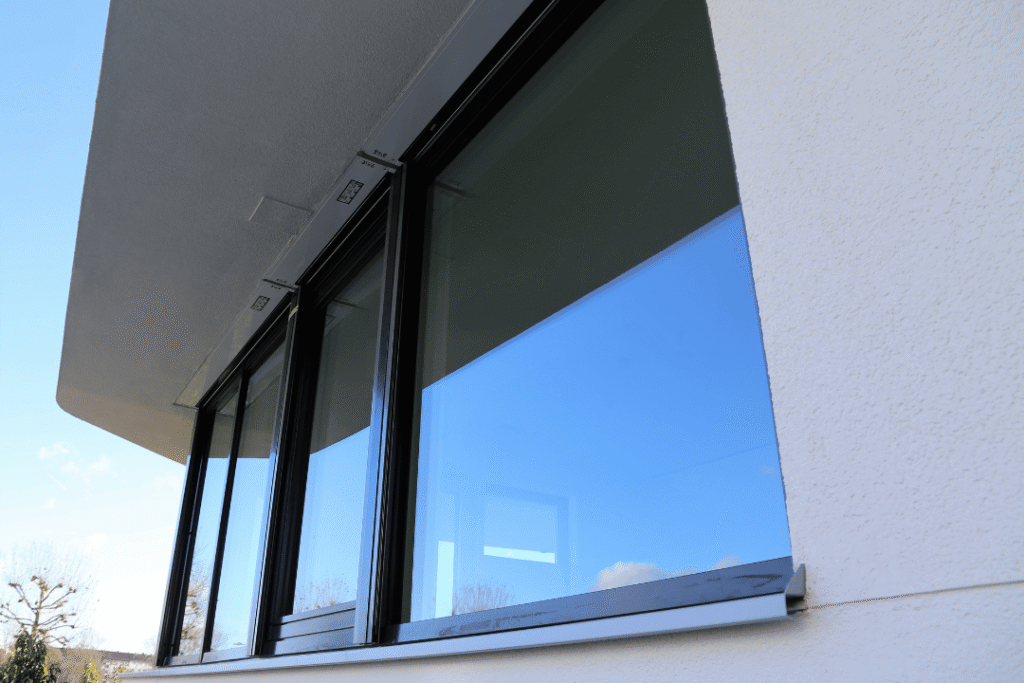
Maintenance matters in high-humidity and salt-air regions.
Aluminum Maintenance
- Requires high-quality coating
- Should be inspected in coastal environments
- Long-lasting when properly finished
Vinyl Maintenance
- Resistant to corrosion
- Does not require repainting
- Simple cleaning routine
In areas close to the coast, vinyl’s corrosion resistance may provide peace of mind.
Longevity and Long-Term Considerations
Both aluminum and vinyl impact windows can last decades when properly manufactured and installed.
Longevity depends on:
- Quality of materials
- Compliance with Florida standards
- Professional installation
- Environmental exposure
Homeowners should evaluate not just the frame material, but the overall system quality.
Which Is Better for Florida Homes?
There is no universal “better” option only what fits your priorities.
Aluminum May Be Better If You:
- Prefer slim, modern frames
- Want larger visible glass areas
- Live in areas with high wind exposure and value structural rigidity
Vinyl May Be Better If You:
- Prioritize energy efficiency
- Live in coastal or high-humidity areas
- Prefer low-maintenance materials
Both materials can meet hurricane impact requirements when engineered correctly.
The best choice depends on balancing:
- Performance needs
- Climate exposure
- Design preferences
- Long-term goals
Guardian Shield Windows & Doors Helping Florida Homeowners Compare Options
At Guardian Shield Windows & Doors, we help Florida homeowners understand how aluminum and vinyl impact windows perform under Florida’s climate and building standards. Our approach focuses on education and clarity, so homeowners can evaluate frame materials based on structure, energy efficiency, maintenance, and long-term value.
Choosing impact windows isn’t just about storm protection. It’s about selecting the right system for how you live in Florida year-round.
Making an Informed Decision
Aluminum and vinyl impact windows each offer advantages for Florida homes. The key is understanding how they perform under heat, humidity, storms, and daily use.
When homeowners compare frame strength, energy efficiency, corrosion resistance, and aesthetic preferences together, the right choice becomes clearer.
Taking time to evaluate both materials carefully ensures your investment supports safety, comfort, and long-term performance.
Compare Impact Window Materials With Confidence
If you’re evaluating aluminum vs vinyl impact windows for your Florida home, understanding how each performs in local conditions is essential.
Guardian Shield Windows & Doors provides educational guidance to help homeowners compare frame materials, hurricane ratings, and energy considerations before making a decision.Schedule a consultation with Guardian Shield Windows & Doors to explore impact window options designed for Florida living.