Custom glass has become a defining element in modern Florida commercial buildings. From storefronts and office interiors to lobbies, corridors, and shared spaces, glass is increasingly used to shape how a business looks, feels, and functions. But designing custom glass features involves more than selecting a clean, modern material. For Florida commercial properties, design decisions must balance aesthetics, safety, accessibility, and environmental realities.
For business owners, developers, and property managers, understanding what to expect during the design phase is critical. This guide explains how custom glass features are planned in Florida commercial buildings, what factors influence design decisions, and how to prepare for the process before any fabrication or installation begins.
Why Design Comes First in Commercial Glass Projects
In commercial settings, glass is not just a visual element it plays a functional role in safety, circulation, branding, and accessibility. Design is the stage where these goals are aligned.
Effective design planning helps:
- Define how glass supports the building’s purpose
- Anticipate regulatory and safety requirements
- Reduce costly revisions later in the project
- Ensure visual consistency across spaces
By understanding design expectations early, commercial stakeholders can make informed decisions that support both short-term usability and long-term performance.
Understanding How Florida’s Environment Influences Design
Florida’s climate has a direct impact on how custom glass features are designed for commercial buildings. Heat, humidity, intense sunlight, and storm awareness all influence planning decisions.
From a design standpoint, glass must account for:
- Sun exposure and glare management
- Thermal comfort inside the building
- Moisture and humidity resistance
- Structural performance in severe weather conditions
These environmental considerations often shape how glass is specified, positioned, and integrated into a commercial space.
Balancing Aesthetics and Functionality
One of the most important aspects of commercial glass design is finding the right balance between visual appeal and functional performance.
Design decisions often involve tradeoffs such as:
- Transparency versus privacy
- Openness versus safety separation
- Minimal framing versus structural support
Understanding these tradeoffs helps business owners set realistic expectations for how glass will look and perform in different areas of a building.
ADA Compliance and Accessibility Considerations
Accessibility is a core requirement in Florida commercial buildings, and glass features must support inclusive design.
From an informational standpoint, glass design must consider:
- Visibility for individuals with low vision
- Proper placement of visual markers
- Clear circulation paths
- Compliance with ADA safety guidelines
Designing glass features with accessibility in mind ensures that spaces are welcoming, compliant, and usable by all occupants and visitors.
Where Custom Glass Is Commonly Used in Commercial Buildings
Custom glass design is often applied strategically throughout a commercial space rather than uniformly.
Common areas include:
- Building entrances and storefronts
- Interior partitions and office enclosures
- Conference rooms and shared spaces
- Railings, guards, and protective barriers
Each area has different design priorities, and understanding these differences helps align expectations across the project.
Safety Expectations in the Design Phase
Safety is a foundational consideration when designing custom glass features. In Florida commercial environments, glass must behave predictably under stress and everyday use.
Design planning typically accounts for:
- Occupant load and traffic flow
- Impact risk in high-use areas
- Fall protection in elevated spaces
- Long-term durability
By addressing safety during design, commercial projects reduce risk without sacrificing visual openness.
Planning for Code Compliance Without Overdesigning
Florida building codes influence how glass features are designed, but compliance does not require overly complex or visually heavy solutions.
Good design planning focuses on:
- Meeting code requirements efficiently
- Avoiding unnecessary visual obstruction
- Integrating safety seamlessly into the design
Understanding this balance helps prevent designs that feel restrictive while still meeting regulatory expectations.
Coordination With Other Building Elements
Custom glass features do not exist in isolation. They interact with flooring, lighting, HVAC systems, and structural components.
Design planning typically considers:
- Sightlines and lighting conditions
- Adjacency to mechanical systems
- Structural attachment points
- Material transitions
Early coordination ensures that glass features enhance the overall environment rather than conflict with other building systems.
Timeline Expectations and Design Lead Times
While this blog avoids fabrication or installation details, it’s important for commercial stakeholders to understand that design takes time.
During the design phase, expectations often include:
- Review cycles and revisions
- Coordination with architects or designers
- Regulatory considerations
- Stakeholder approvals
Setting realistic timelines during design helps projects move forward smoothly.
Communication and Decision-Making During Design
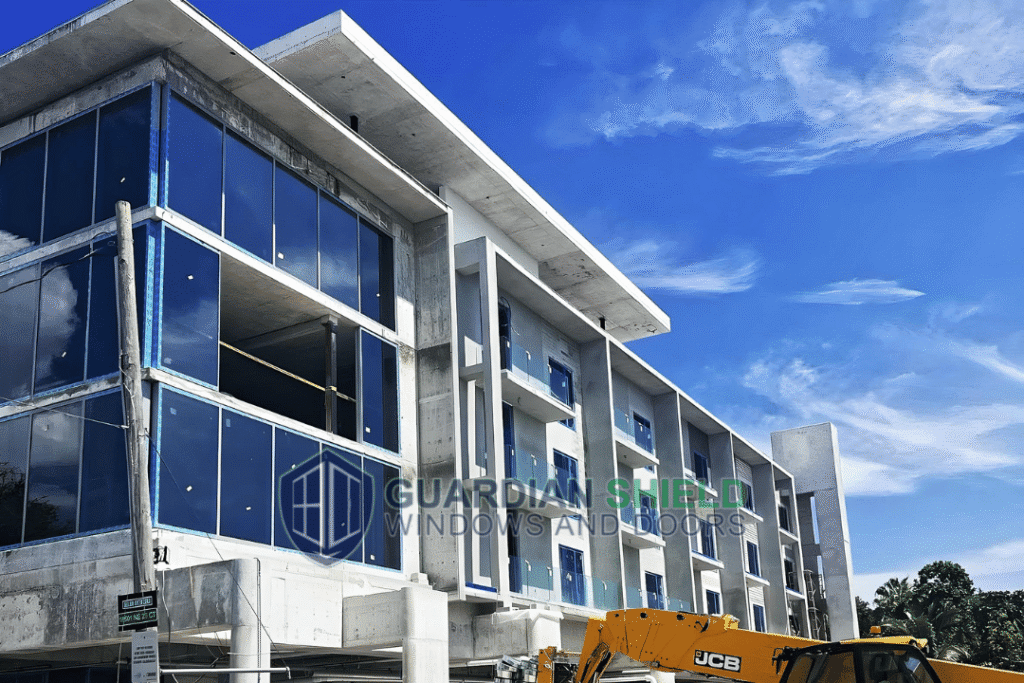
Clear communication is essential when designing custom glass features. Decision-makers should expect to clarify goals, priorities, and constraints early in the process.
Effective communication focuses on:
- Intended use of each glass feature
- Visual priorities versus functional needs
- Compliance and accessibility expectations
When design intent is clearly defined, outcomes are more predictable and successful.
Guardian Shield Windows & Doors Supporting Informed Design Planning
At Guardian Shield Windows & Doors, we help Florida commercial clients understand what to expect when planning custom glass features for business environments. Our role begins with education—helping stakeholders navigate design considerations, regulatory awareness, and practical expectations before moving forward with any project decisions.
By supporting informed planning, we help commercial projects approach custom glass design with clarity and confidence.
Designing With Confidence From the Start
Designing custom glass features for Florida commercial buildings is a strategic process that blends aesthetics, safety, accessibility, and environmental awareness. When expectations are clearly understood, glass becomes a powerful architectural tool rather than a source of uncertainty.
By focusing on design considerations first, commercial stakeholders can create spaces that are visually compelling, compliant, and built for long-term performance in Florida’s unique environment.
Get Guidance on Planning Custom Glass Features for Your Florida Building
Designing custom glass features involves many interconnected considerations from climate and accessibility to visual intent and safety expectations. Understanding these factors early helps commercial projects stay aligned, compliant, and efficient.
Guardian Shield Windows & Doors works with Florida business owners, developers, and property managers to provide clarity around custom glass design planning. Our focus is on helping clients understand what to expect so they can make informed decisions before moving into fabrication or construction phases.Request an informational consultation with us to discuss design considerations for custom glass features in your Florida commercial building.