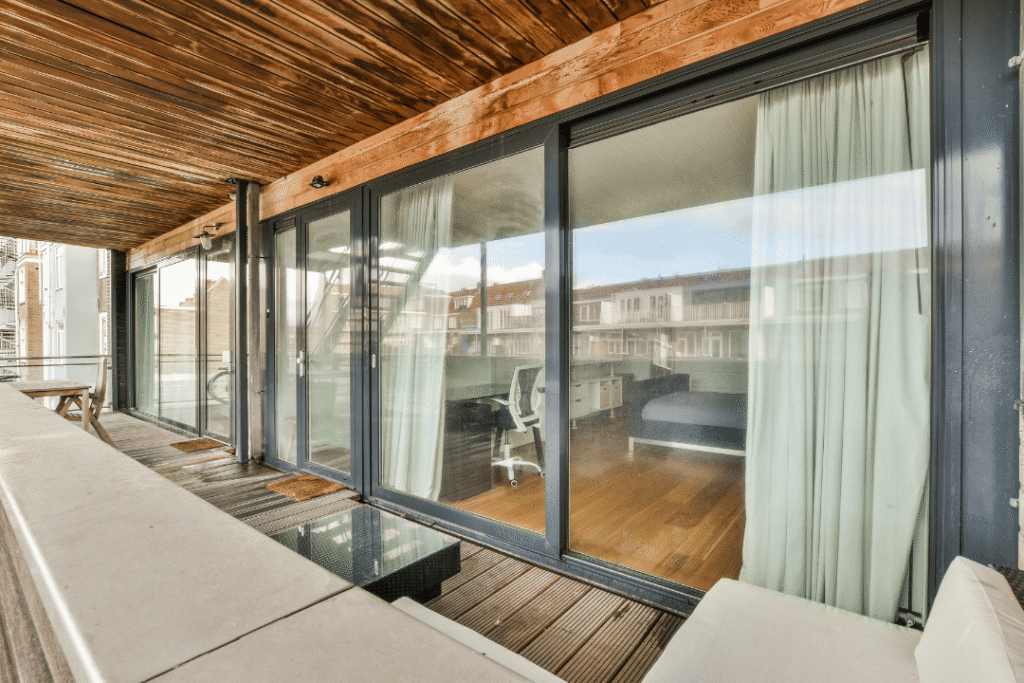
Patios and pool areas are the centerpiece of Florida living bright, open, and connected to the outdoors. But these same features also make sliding glass doors one of the most vulnerable points in a home during a hurricane.
A standard sliding door cannot withstand hurricane-force winds, debris impact, or pressure changes, making it a major risk for water intrusion and structural damage.
This guide from Guardian Shield Windows & Doors explains exactly what to look for when choosing hurricane-proof sliding doors designed specifically for Florida’s high-risk weather conditions.
Why Patios and Pool Areas Need Stronger Sliding Glass Doors
Sliding doors near patios and pools face unique risks compared to other openings. These areas typically have:
- large glass surfaces exposed to strong winds
- flying outdoor objects (furniture, planters, toys)
- minimal shading or obstruction
- direct exposure to rain, sun, and humidity
A breach in the sliding door during a storm can cause:
- rapid internal pressurization
- roof uplift
- wide-scale flooding
- shattered glass throughout the home
Upgrading to hurricane-rated sliding doors is essential for homeowners in Florida’s coastal and inland storm zones.
What Makes a Sliding Door “Hurricane-Proof”?
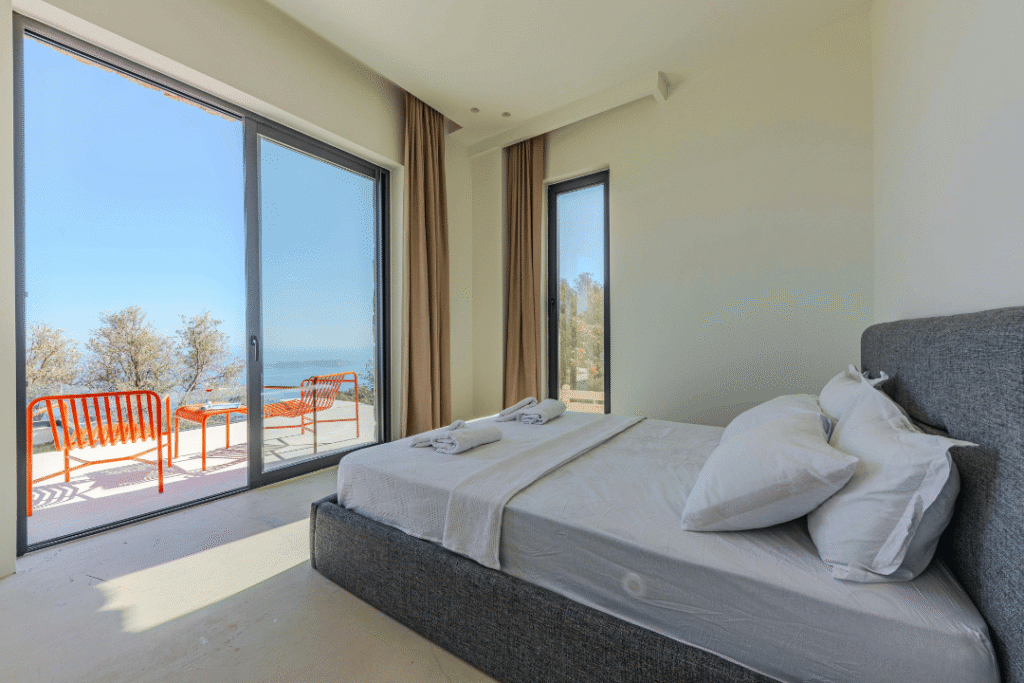
A hurricane-rated sliding door must be engineered to pass impact tests, pressure cycling, and water intrusion standards required by Florida Building Code and, when needed, Miami-Dade NOA.
The system includes four core components:
1. Laminated Impact Glass
This glass features:
- two panes bonded with a PVB or SGP interlayer
- high-strength glazing designed to resist shattering
- ability to remain intact even after cracking
This prevents debris penetration and keeps indoor pressure stable.
2. Reinforced Door Frames
Impact sliding doors use:
- heavier-gauge aluminum or reinforced vinyl
- stronger corners and frame connections
- rust-resistant construction for humid areas
These frames resist bowing, twisting, and detaching from the home.
3. Upgraded Track & Roller Systems
A weak track is a major failure point.
Hurricane-rated systems include:
- anti-lift mechanisms
- heavy-duty rollers
- reinforced track anchoring
- weather-sealed sills
These components keep the door secure even under extreme wind loads.
4. Multi-Point Locking Systems
Instead of a single latch, impact sliders lock along multiple points of the frame – providing security and structural strength.
Understanding Certification: How Do You Know a Door Is Truly Hurricane-Rated?
Look for certified documentation tied to hurricane-resistant performance:
Miami-Dade Notice of Acceptance (NOA)
Required in High-Velocity Hurricane Zones (HVHZ) like Miami-Dade and Broward.
These are the strictest standards in the nation.
Florida Building Code (FBC) Compliance
Impact doors must pass:
- large missile impact testing
- repeated pressure cycling
- water infiltration testing
ASTM E1886 & E1996 Standards
Used nationwide to certify that sliding doors can withstand flying debris and intense wind load.
A reputable manufacturer and installer like Guardian Shield always provides certification numbers upon request.
Glass Options: Choosing the Best for Patios and Pools
Impact sliding doors offer several glass options:
Laminated Impact Glass (required)
Primary barrier for storm protection.
Low-E Glass
Helps reduce heat gain near sunny patios and pool decks.
Tinted or Grey Glass
Provides glare reduction and added daytime privacy.
Insulated Laminated Glass
Boosts energy efficiency in homes with large wall-to-door openings.
Choosing the right glass can significantly improve comfort in outdoor-facing rooms.
Frame Options: Aluminum or Vinyl?
Aluminum Frames
- strongest option
- excellent for coastal or high-wind regions
- slim profile for larger views
- highly durable
Vinyl Frames
- excellent insulation
- available in more colors
- ideal for inland Florida
- slightly lower cost
Both materials can be hurricane-rated; the key is proper engineering and certification.
Additional Safety Features for Pool Areas
Homes with pools may require special features, including:
- child-safe locks
- self-closing or self-latching mechanisms
- anti-slip thresholds
- UV-blocking glass to protect patio furniture
Impact doors can integrate these features while still meeting storm-resistant codes.
Energy Efficiency Matters in Florida Heat
Hurricane-proof sliding doors contribute to energy savings by:
- reducing heat transfer
- blocking UV rays
- minimizing air leaks
- lowering AC demand
Low-E impact glass can reduce solar heat gain by up to 70%, making indoor spaces cooler and more comfortable.
Style Options That Fit Modern Florida Homes
Impact sliding doors now come in many configurations:
- Two-panel sliders (most common)
- Three- and four-panel multi-slide systems
- Pocket doors that disappear into walls
- Corner sliding doors for panoramic patios
- Oversized “door-wall” designs
These options allow homeowners to enjoy open views while staying storm-ready.
Why Professional Installation Matters
Even the strongest hurricane-rated door can fail if improperly installed.
Professional installation ensures:
- correct frame anchoring
- sealed thresholds
- correct roller alignment
- proper weatherproofing
- compliance with FBC and HVHZ rules
Guardian Shield Windows & Doors uses certified installers to ensure your door performs exactly as tested.
Protect Your Patio With Hurricane-Rated Sliding Doors Built for Florida Weather
Your patio and poolside areas should be a place to relax, not the weakest link in your home’s storm protection.
Connect with Guardian Shield Windows & Doors to explore hurricane-rated sliding doors engineered for Florida’s toughest storms and hottest seasons. Schedule your free consultation and discover the best sliding door system for your home.