When you think of Florida, you picture sunshine, palm trees, and ocean breezes but you also think of hurricanes. These powerful storms have shaped more than the state’s coastline; they’ve shaped its building codes, too.
Florida’s building regulations are among the toughest in the nation and for good reason. Every line of the code tells a story of lessons learned from past storms. And right at the center of this evolution is one of the most significant innovations in storm protection: impact window technology.
How Hurricane Andrew Changed Everything
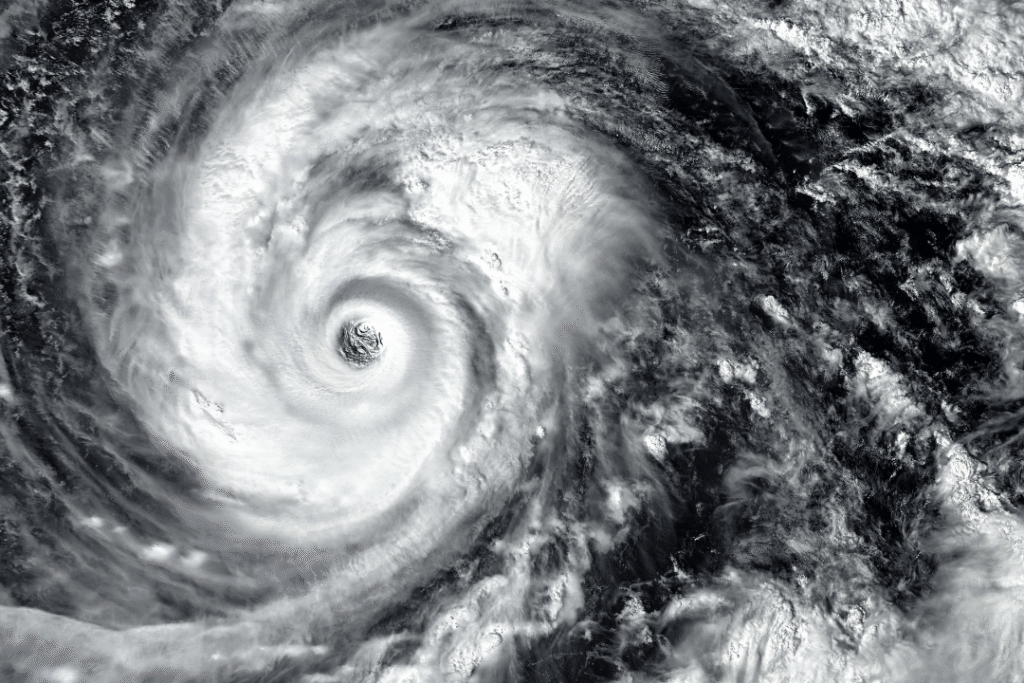
In August 1992, Hurricane Andrew devastated South Florida, leaving behind billions in damage and exposing massive weaknesses in construction practices. Homes built before stricter codes often couldn’t withstand the sustained 165-mph winds.
Investigations after Andrew revealed serious flaws:
- Windows and doors that failed under pressure
- Poorly anchored roofs
- Inconsistent local building standards across counties
The storm became a turning point. In response, Florida’s lawmakers, engineers, and building officials began developing a unified state building code to protect residents from future disasters.
The Birth of the Florida Building Code (FBC)

In 2002, the Florida Building Code (FBC) officially replaced the patchwork of local regulations. This marked the first time Florida had a statewide standard for structural strength, wind resistance, and product testing.
The FBC introduced strict rules for:
- Wind-borne debris zones, requiring stronger protection for openings
- Product approval processes for doors, windows, and shutters
- Mandatory performance testing through standards such as ASTM E1886 and E1996
These updates established a clear mission: every home in Florida should be built to withstand hurricane-force winds and flying debris, not just survive them.
The Rise of Impact Window Technology
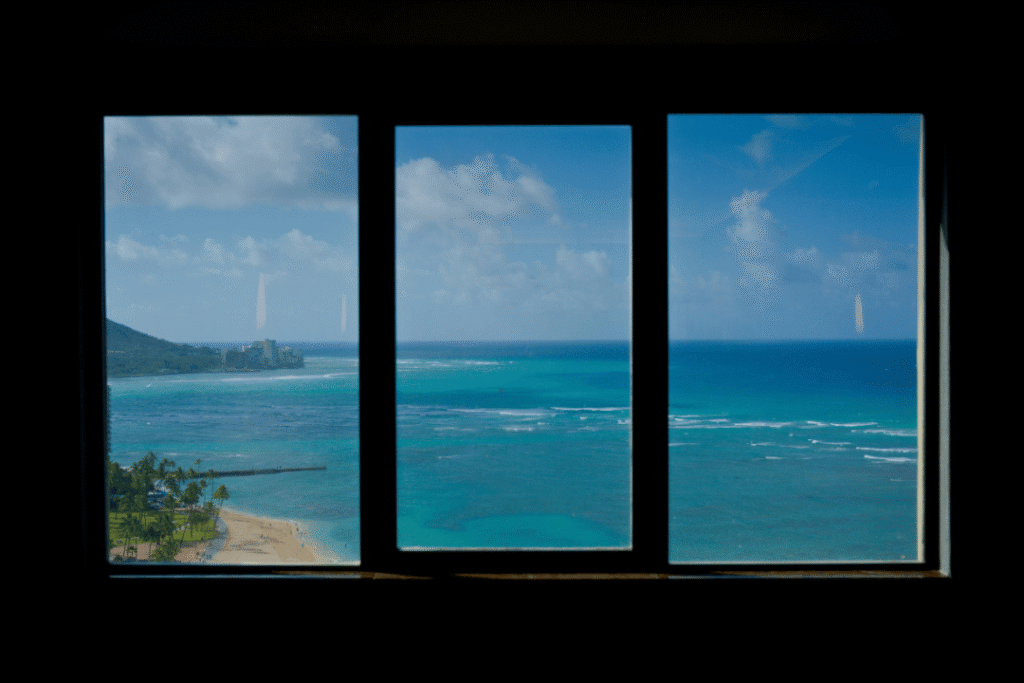
Once the new code took effect, innovation accelerated. Manufacturers began developing impact-resistant glass systems capable of meeting or exceeding Florida’s demanding standards.
Early versions used laminated glass two panes bonded with a PVB (polyvinyl butyral) interlayer similar to what’s found in car windshields. Over time, this evolved into more advanced materials such as:
- SGP (SentryGlas Plus) for enhanced structural integrity
- Aluminum and vinyl frames engineered for flexibility and strength
- Multi-point locking systems to secure the sash during high pressure
Impact windows quickly became more than just a safety feature; they became a core part of Florida home design, blending aesthetics, energy efficiency, and security.
The Science Behind Impact Windows
Impact-rated systems undergo rigorous testing to earn certification:
- Large-missile test: Simulates flying debris from hurricane winds
- Cyclic pressure test: Recreates repeated positive and negative air pressure during a storm
If a window passes both tests, it’s certified as an impact product under the Florida Product Approval system.
These innovations not only prevent catastrophic breaches during storms but also offer benefits like:
- Improved energy efficiency
- Enhanced UV protection
- Better sound insulation
Modern Updates to Florida’s Building Code
The Florida Building Code continues to evolve every three years, reflecting lessons from recent storms like Hurricanes Charley (2004), Irma (2017), and Ian (2022).
Some of the key modern requirements include:
- Design Pressure (DP) ratings based on location and elevation
- Anchoring and sealing requirements for window frames
- Approved product databases for verified impact systems
Today, whether you live in Miami-Dade County’s High-Velocity Hurricane Zone (HVHZ) or inland areas, builders must comply with strict testing standards designed to minimize risk and protect lives.
Why This Evolution Matters for Florida Homeowners

Every step in this history from Andrew to the latest FBC updates represents Florida’s ongoing commitment to resilient construction. Impact window technology isn’t just a luxury anymore; it’s a necessity.
Homeowners now benefit from:
- Lower insurance premiums for certified installations
- Higher resale value for storm-ready homes
- Year-round comfort and security, even outside hurricane season
Ultimately, the partnership between state regulation and engineering innovation has turned Florida into a model for storm-resistant housing worldwide.
Schedule Your Impact Window Consultation with Guardian Shield Windows and Doors
If your home still relies on traditional glass, now is the perfect time to upgrade with Guardian Shield Windows and Doors. Our certified impact windows are designed to meet Florida’s latest building codes providing unmatched strength, energy efficiency, and year-round peace of mind.Schedule a professional consultation today to discover which impact window systems best fit your home’s wind-load and safety requirements. With Guardian Shield Windows and Doors, one upgrade can be the difference between minor cleanup and major damage after the next storm.